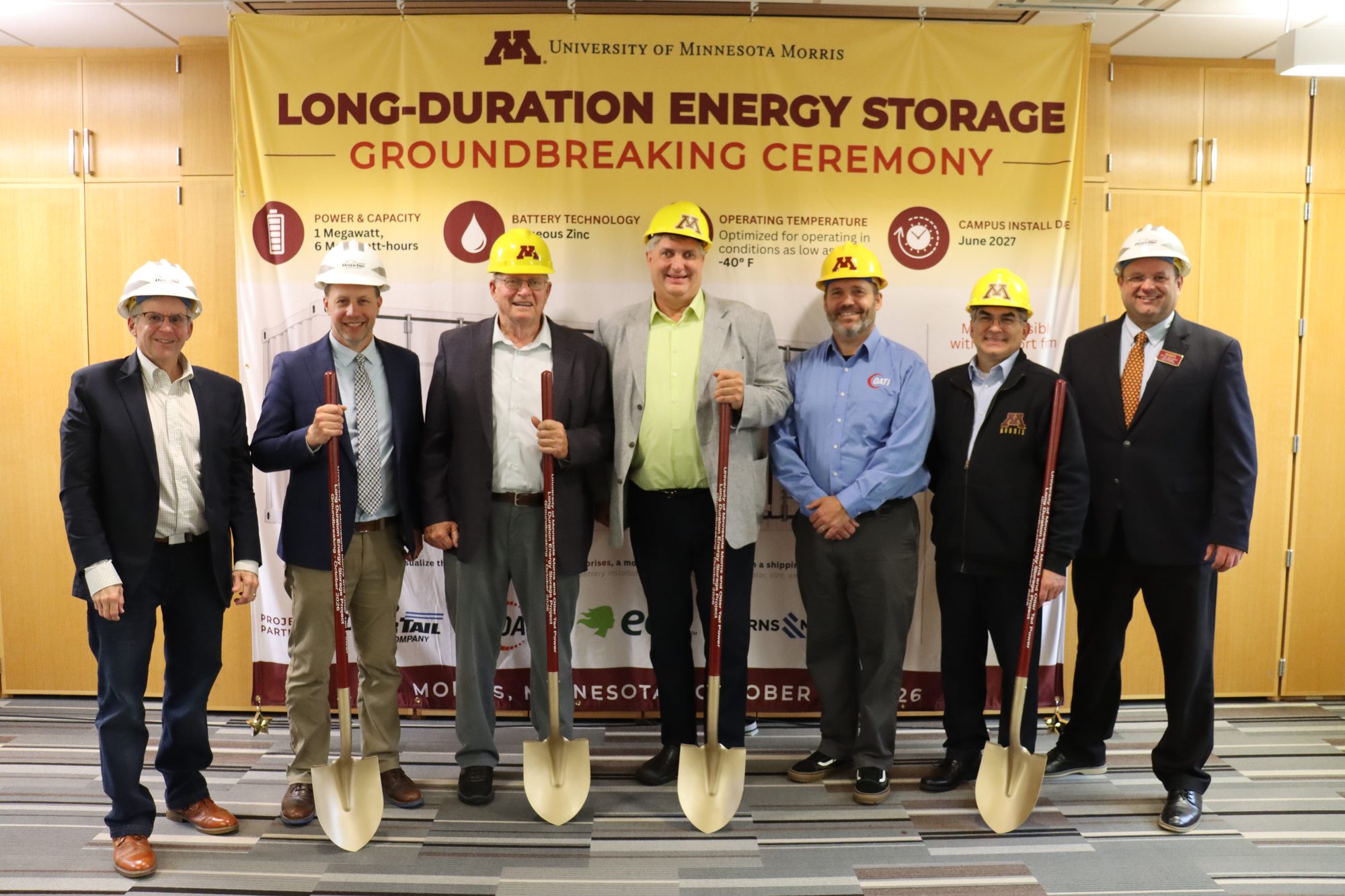
On Monday, October 26, the University of Minnesota Morris broke ground on a 1-megawatt, 6-megawatt-hour long-duration battery on its campus in west-central Minnesota. Otter Tail Power will operate the aqueous zinc system on its distribution grid, the university will study it during dedicated research periods, and OATI GridMind® will manage when it charges and discharges.
University staff, students, project partners and community members gathered for remarks from Chancellor Michael Rodriguez, Vice Chancellor for Finance and Facilities Bryan Herrmann, Jason Grenier of Otter Tail Power, OATI’s David Heim, Rep. Paul Anderson and Sen. Torrey Westrom, then hard hats, ceremonial shovels and a campus tour. The battery is scheduled for installation in June 2027 and is optimized to operate in temperatures as low as -40°F.
Remarks from OATI
OATI’s David Heim, Sr. Vice President, Chief Strategy Officer & Sr. Associate General Counsel, opened with thanks to the Morris team. “This has been a really long time coming,” he said. “If it weren’t for your ideas and passion and persistence, we wouldn’t be here today.”
He placed the project in OATI’s own history with microgrids. OATI began its microgrid journey more than ten years ago, when it built its Bloomington, Minnesota, headquarters as a first-of-its-kind microgrid. “OATI made this investment of time and resources because we could see that distributed generation, battery energy storage, and microgrids were quickly becoming integral to the operations of the power grid,” Heim said. Since then, OATI has worked “across the country with many other utilities, campuses, tribal nations and others on a whole variety of energy storage and microgrid projects that are in production today.”
“One of the most common questions I get asked when we’re working with our customers is, will it work in the cold?” he said. “Now we can point to one. Yes. Yes, it will.”
“As a Minnesota-based company, we’re especially excited and honored to partner with Morris, with Otter Tail Power and with the other parties involved here to help bring this project to life,” Heim said. MinnPost has called Minneapolis an emerging hub for microgrid innovation; read more about OATI’s microgrid work in Minnesota.
We’re confident it’ll further cement Minnesota’s role as a leading pioneer in renewable energy.
David Heim, Sr. Vice President, Chief Strategy Officer & Sr. Associate General Counsel, OATI
What the battery will do
The campus generates more than 60% of its daily electricity from on-site wind and solar, and at times it produces more than it needs. The battery will charge from Otter Tail Power’s distribution grid, including when that surplus flows onto it, and discharge back to the grid when electricity is needed most. It is Otter Tail Power’s first battery energy storage project. During designated testing periods throughout its anticipated 20-year life, the university will use it to study how storage can support campus energy needs.
“Projects like this don’t happen simply because somebody has a good idea,” said Jason Grenier, Manager of Retail Energy Solutions at Otter Tail Power. “They happen because organizations are willing to work together.”
OATI GridMind® sits between the grid, the campus and the battery, and decides when the battery charges and discharges based on grid conditions and utility needs. Choose a scenario to follow the power.
When campus wind and solar make more than the campus needs, the surplus flows onto Otter Tail Power’s grid, and the battery can charge from the grid. OATI GridMind® decides when it charges.
When electricity is needed most, the stored energy flows back to the grid. OATI GridMind® manages when the battery discharges.
When campus renewables do not meet campus energy needs, power flows from the grid to the campus.
During designated test periods, energy from the battery powers the campus for up to six hours, and the university studies how storage can support campus energy needs.
Adapted from an illustration by Kari Adams, University of Minnesota Morris.
OATI GridMind® will manage and optimize the battery’s operation, including when it charges and discharges based on grid conditions and utility needs. OATI has been a partner and advisor since the project’s earliest stages, including helping develop the original project scope.
Funding for the project was provided by the Minnesota Environment and Natural Resources Trust Fund, as recommended by the Legislative-Citizen Commission on Minnesota Resources (LCCMR). Burns & McDonnell is providing engineering support for the installation.
From a 2017 trip to groundbreaking
The partnership took nearly a decade to build. The full story is in the project announcement, and what the project can teach utilities about long-duration storage is in our earlier coverage.
- 2017
A trip west
A University of Minnesota Institute on the Environment Serendipity grant takes a UMN Morris team to California to study emerging storage, including a meeting at the California Public Utilities Commission on university storage demonstrations.
- From the start
Scoping the project
OATI joins as a partner and advisor, helping develop the original project scope, and stays on through deployment.
- Funding
State support
The Minnesota Environment and Natural Resources Trust Fund funds the project, as recommended by the Legislative-Citizen Commission on Minnesota Resources.
- March 2026
Regulatory approval
The Minnesota Public Utilities Commission approves the investment, since the battery becomes part of Otter Tail Power’s system.
- August 2026
The partnership is announced
UMN Morris, Otter Tail Power and OATI announce the 1 MW, 6 MWh aqueous zinc battery.
- October 26, 2026
Groundbreaking
Partners, staff, students and community members break ground on campus.
- June 2027
Installation on campus
The battery is scheduled for installation along a well-traveled campus walkway, with commissioning expected in 2027 and Burns & McDonnell providing engineering support.
- The next 20 years
Operation and research
Otter Tail Power will run the battery for grid reliability, OATI GridMind® will manage when it charges and discharges, and the university will study it during dedicated research periods.
Watch: David Heim on microgrids
Heim talks about how OATI builds microgrids in the Energy & The Grid episode of Threads of Connectivity, a mini-documentary series hosted on National Geographic’s digital platforms. The series also features the Paskenta Band of Nomlaki Indians microgrid, part of OATI’s energy sovereignty partnership with the tribe.
Photos from the groundbreaking
01 / 09
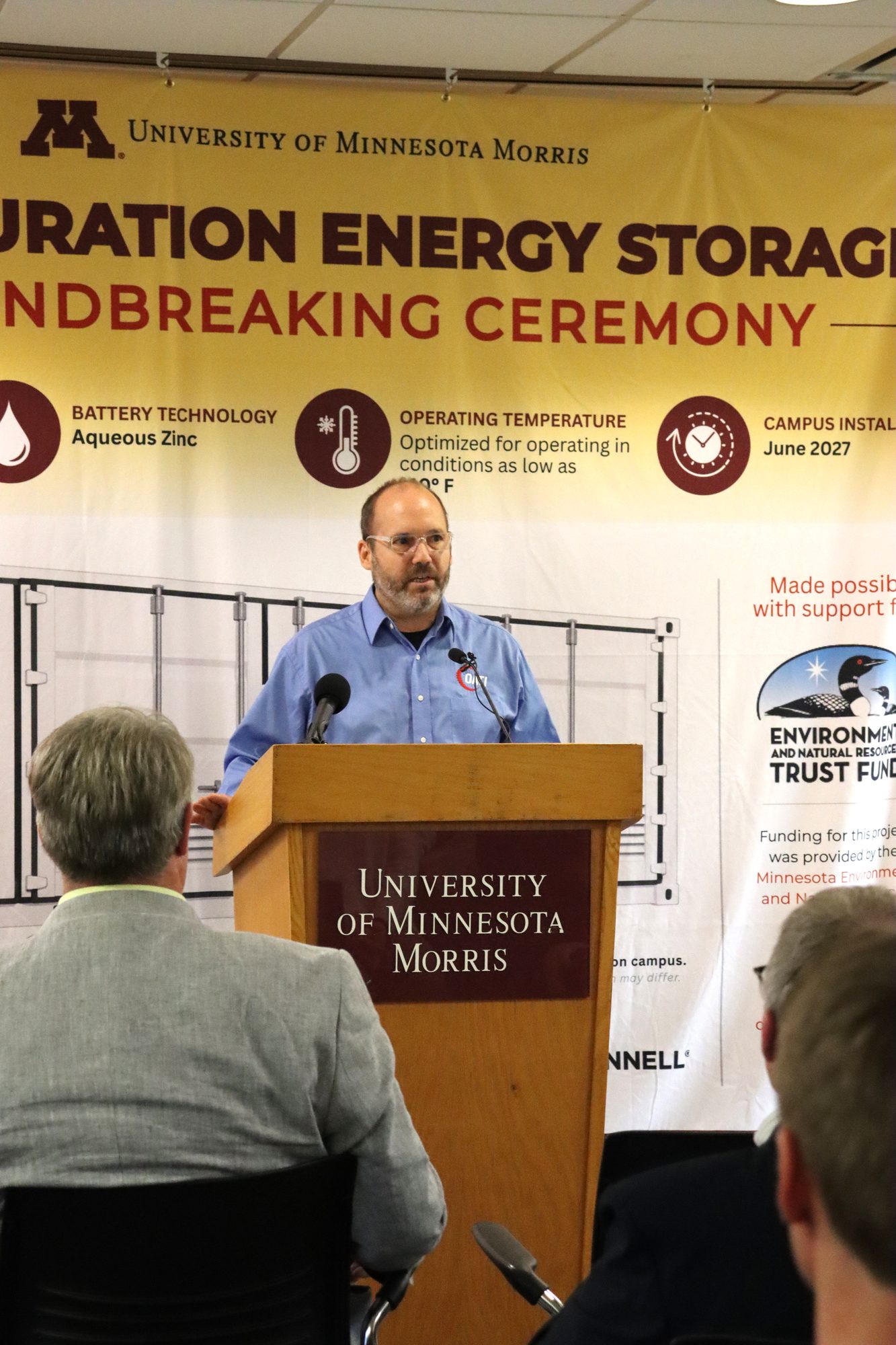
David Heim, Sr. Vice President, Chief Strategy Officer & Sr. Associate General Counsel, OATI, at the podium. 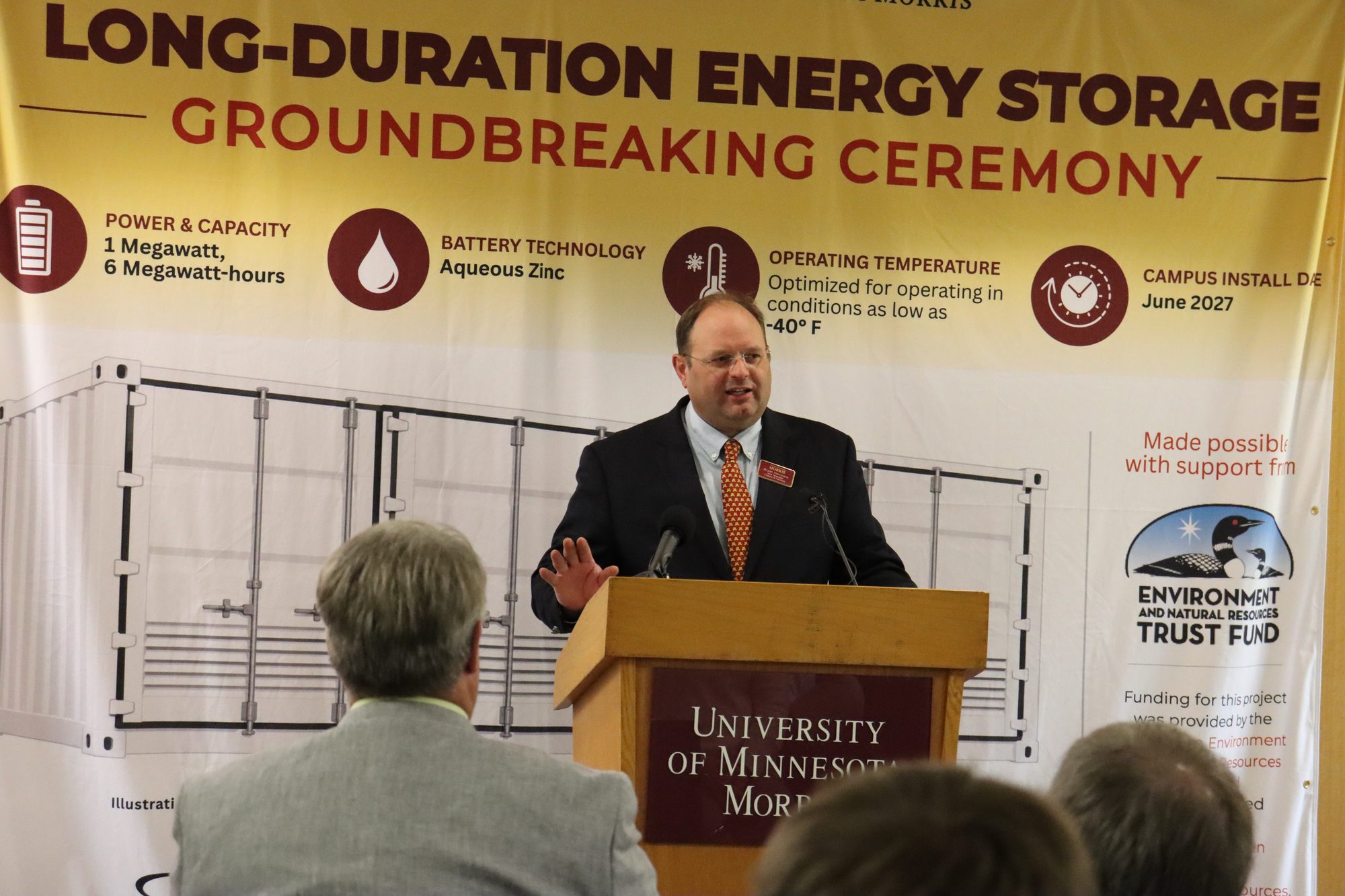
Bryan Herrmann, Vice Chancellor for Finance and Facilities, UMN Morris. 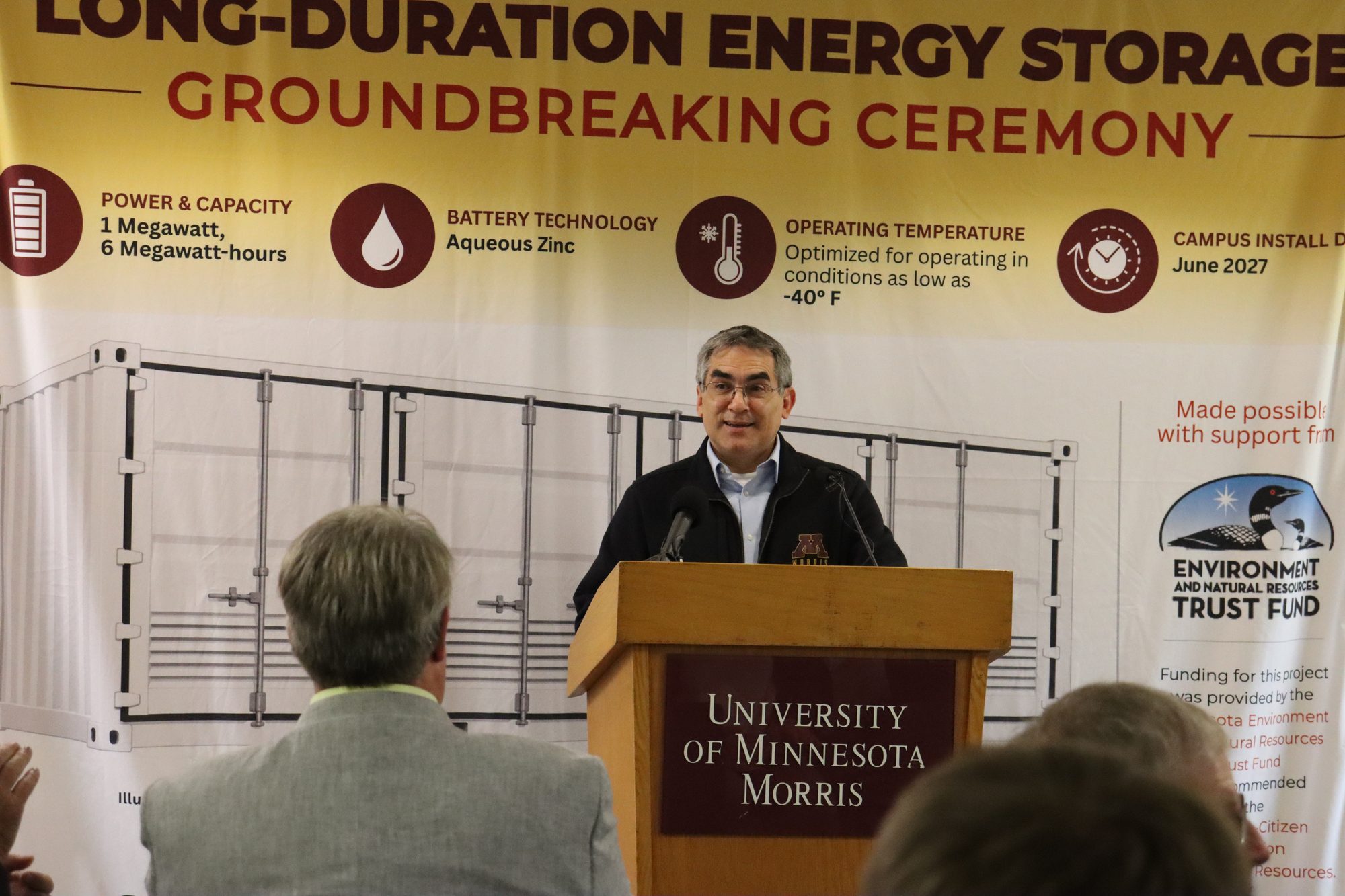
Michael Rodriguez, Chancellor, University of Minnesota Morris. 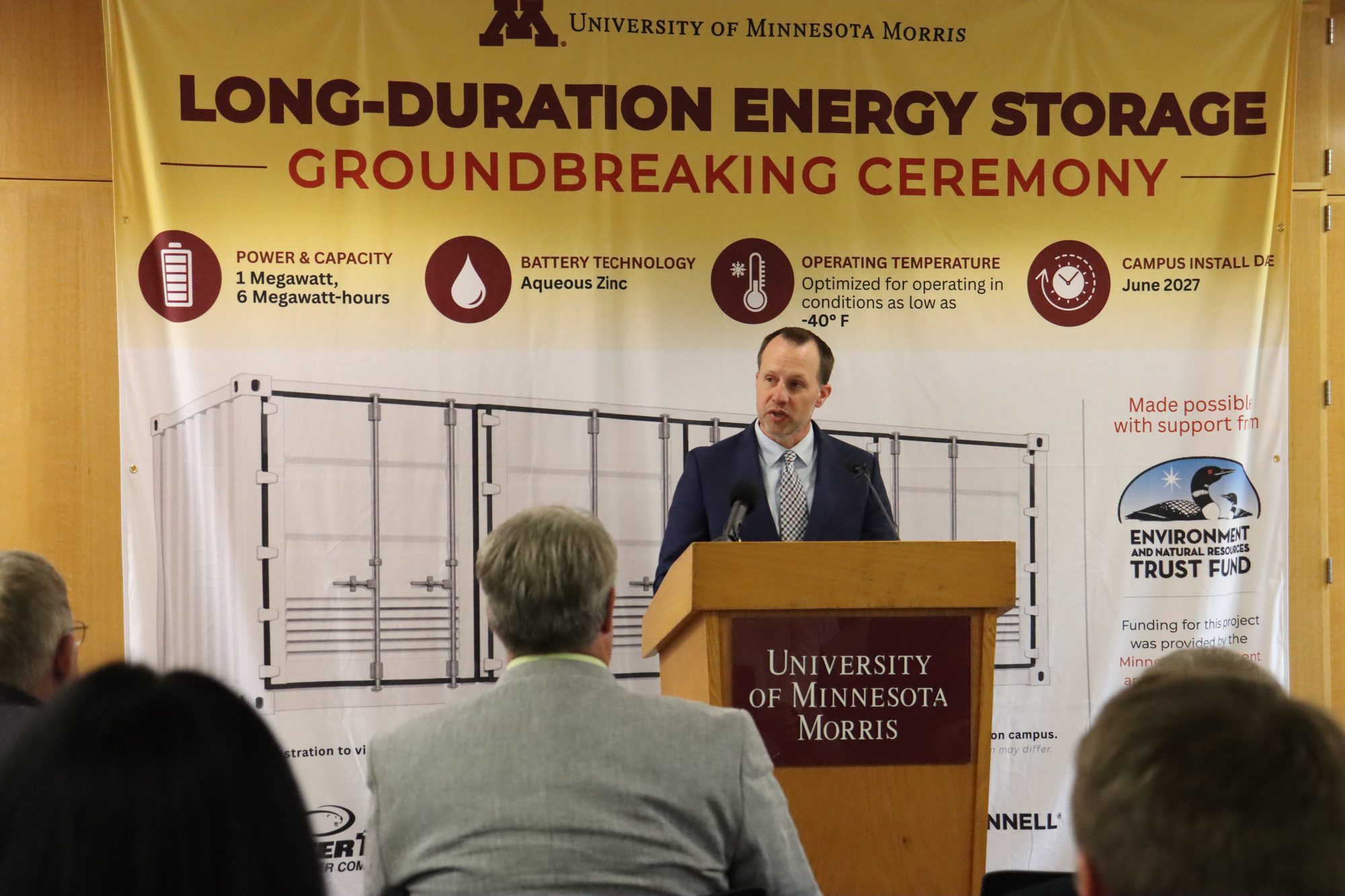
Jason Grenier, Manager, Retail Energy Solutions, Otter Tail Power. 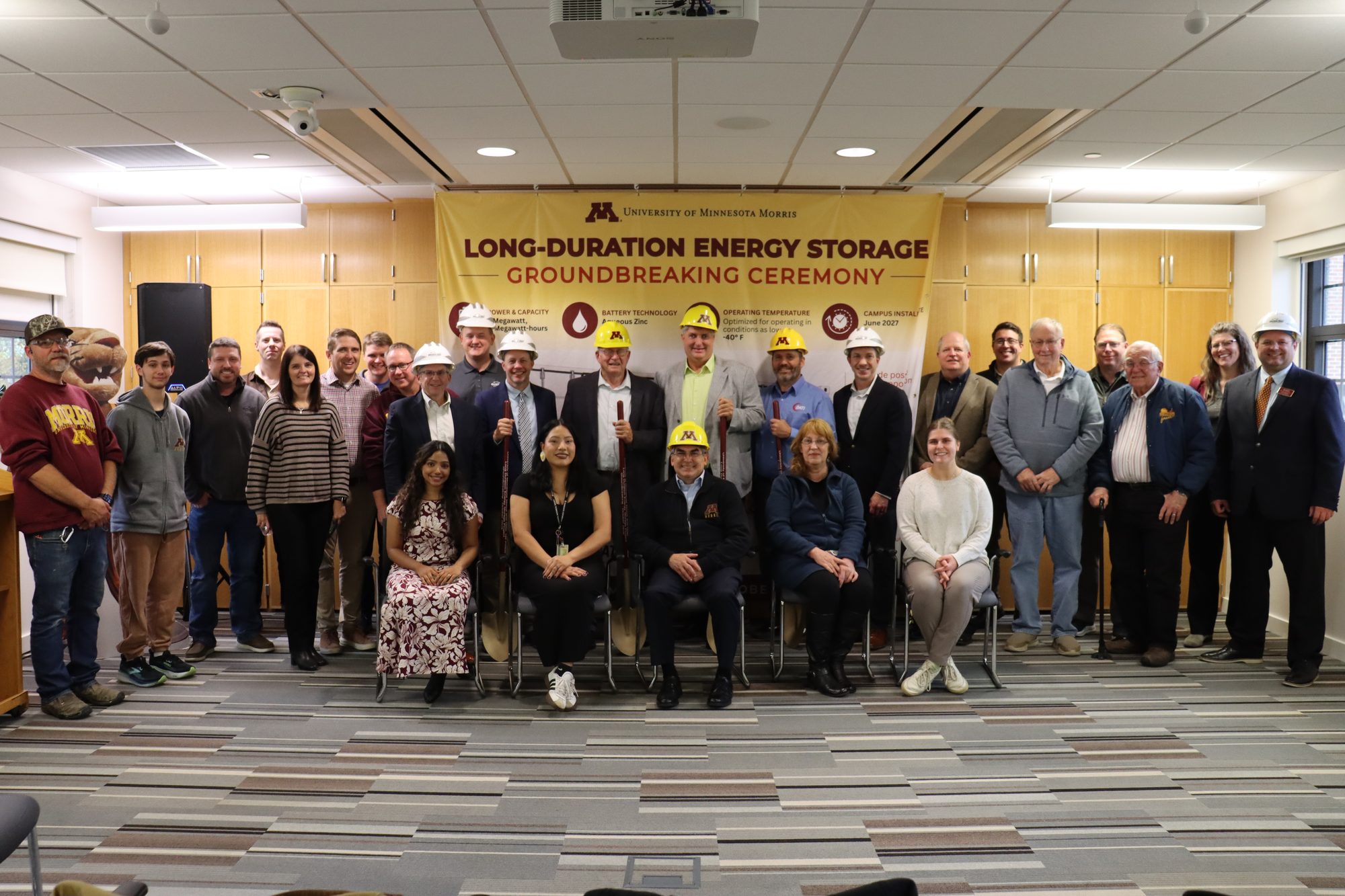
Partners, university staff, students and guests. 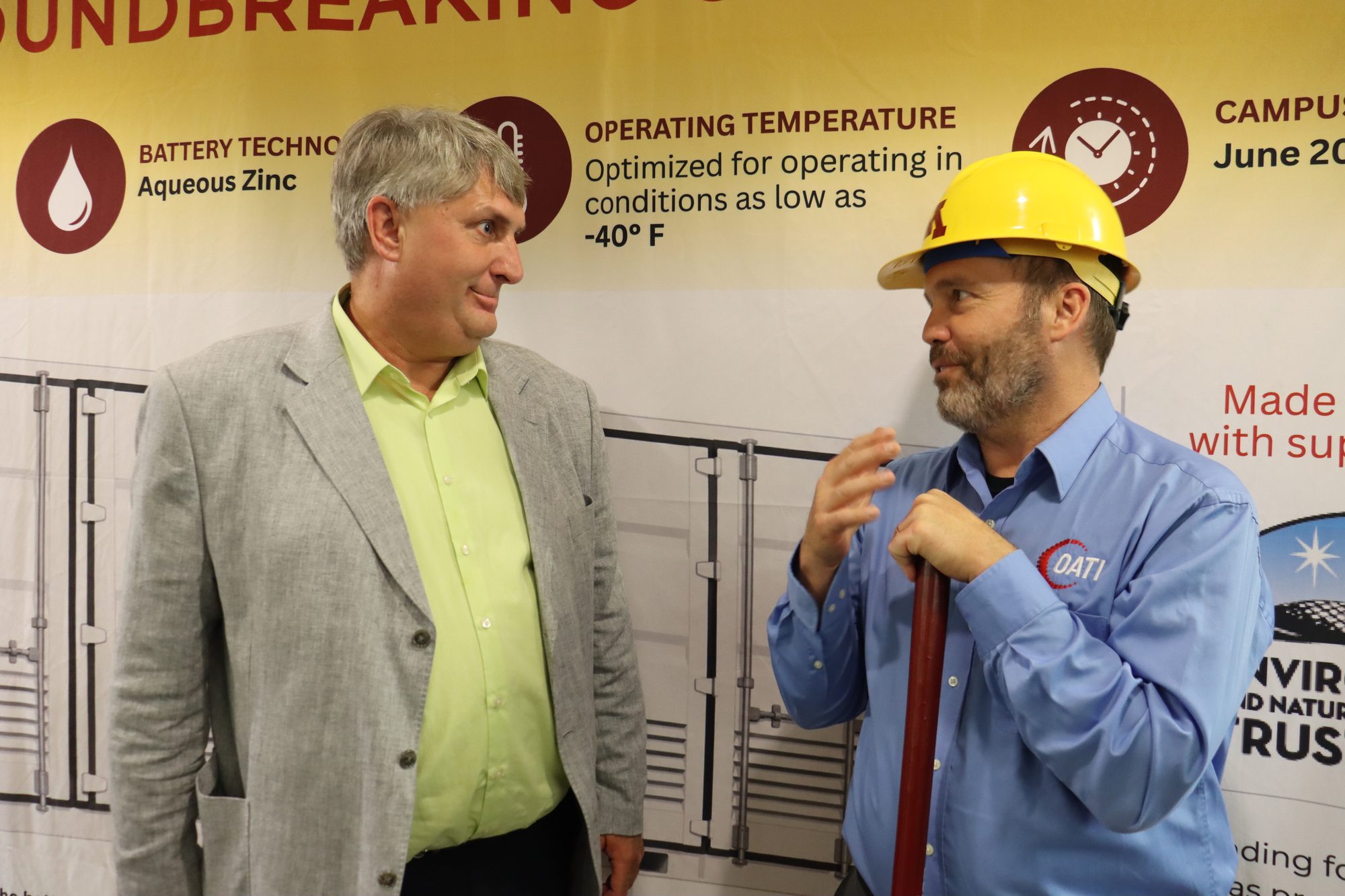
David Heim in a University of Minnesota hard hat, shovel in hand. 
Hard hats ready for the ceremony. 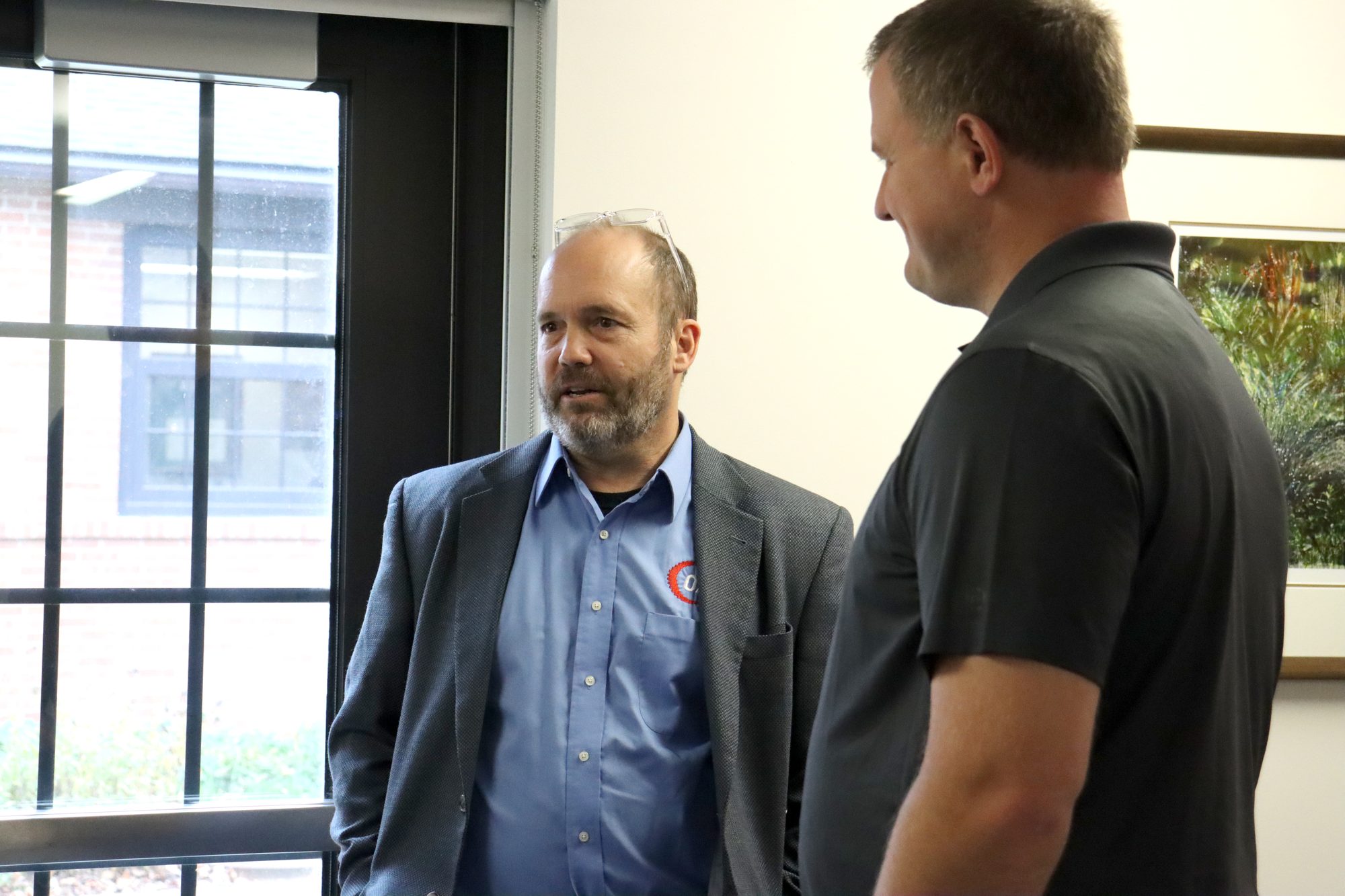
David Heim in conversation before the ceremony. 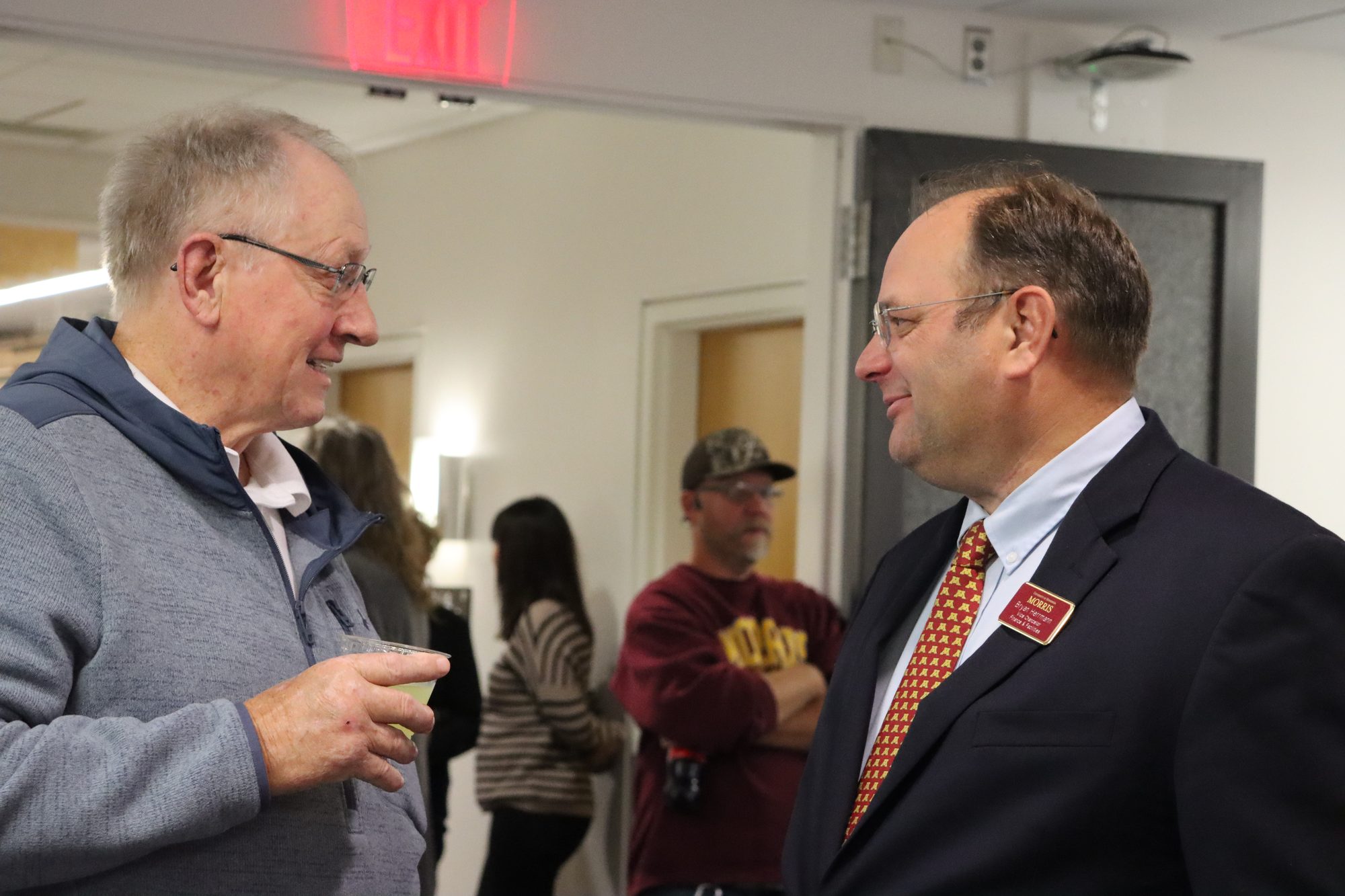
Bryan Herrmann with a guest at the reception.
The University of Minnesota Morris, October 26, 2026. Courtesy: UMN Morris
How OATI GridMind® runs storage
OATI GridMind® is OATI’s microgrid and asset control platform. It runs solar and storage as one plant, so one battery can do more than one job on one controller: support the grid, cover critical load and earn in the markets that pay for flexibility. It is DER-agnostic and built on standardized protocols, so it works with the equipment each site already has.
See how OATI GridMind® serves utilities, schools and campuses, tribal nations, data centers and EPCs and developers, or take the tour of the OATI Microgrid Technology Center at our Bloomington headquarters.