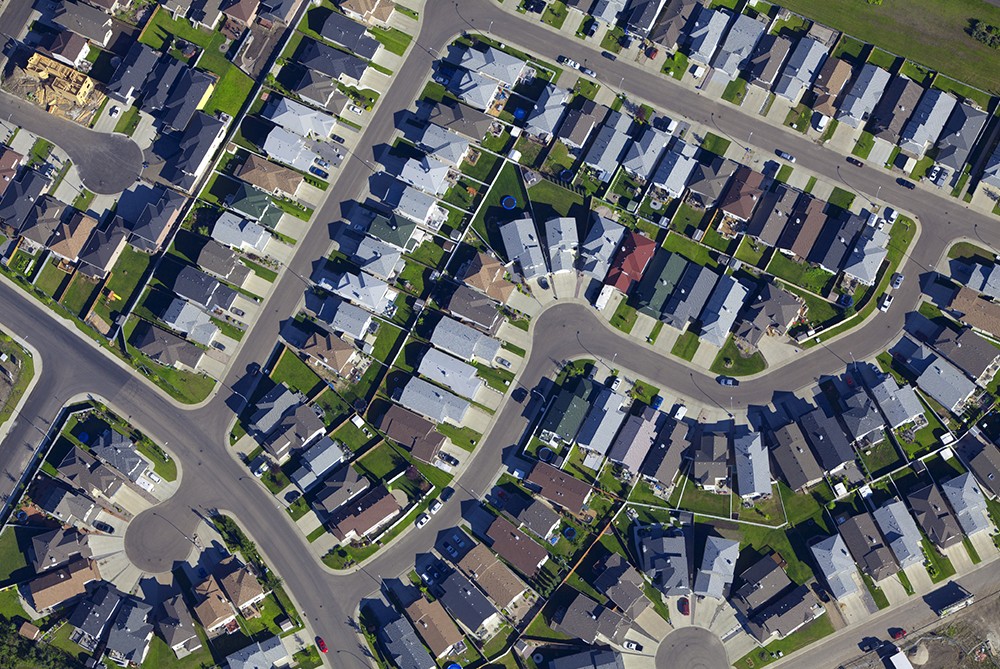
The invisible software keeping the lights on.
From the Episode
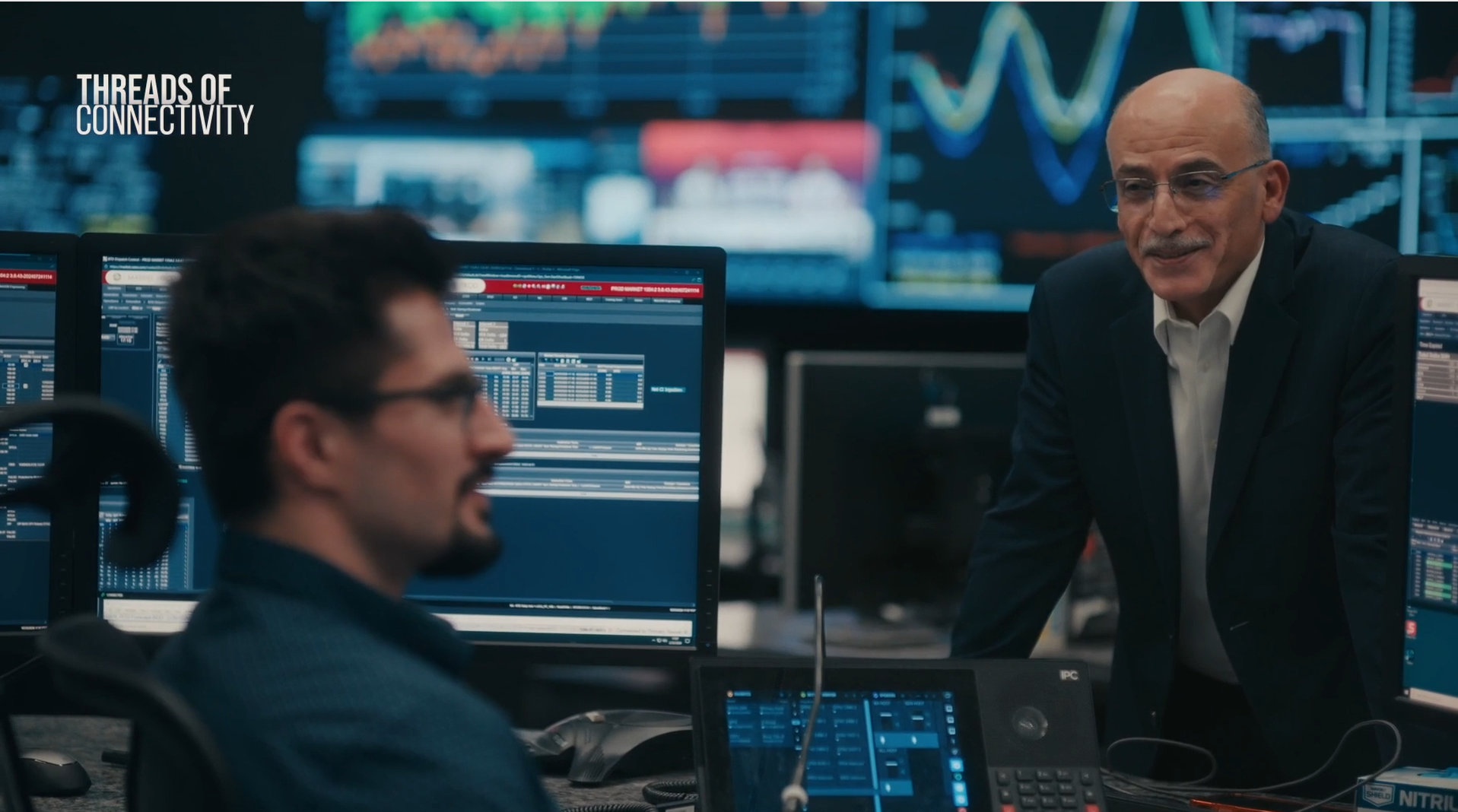
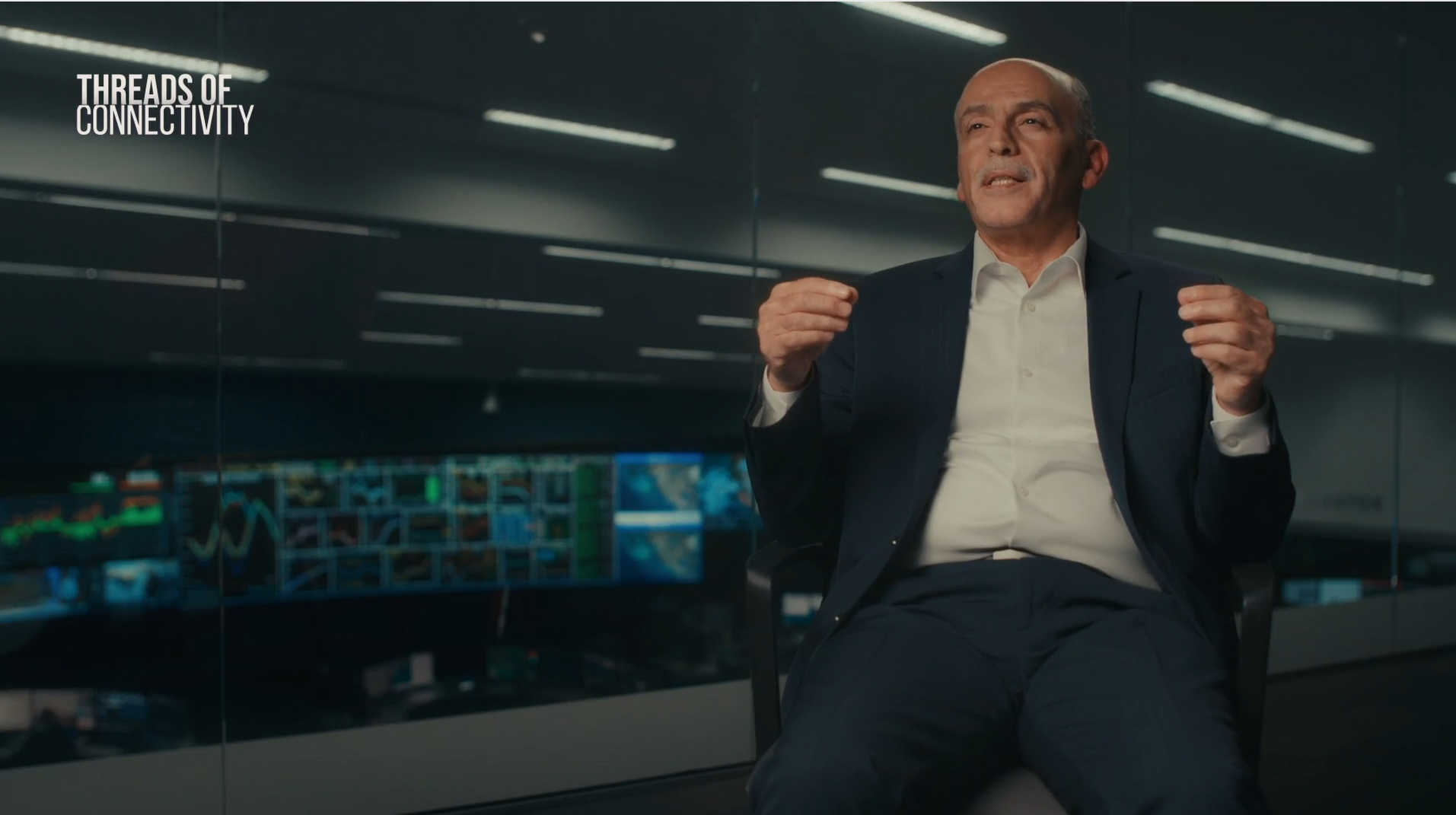
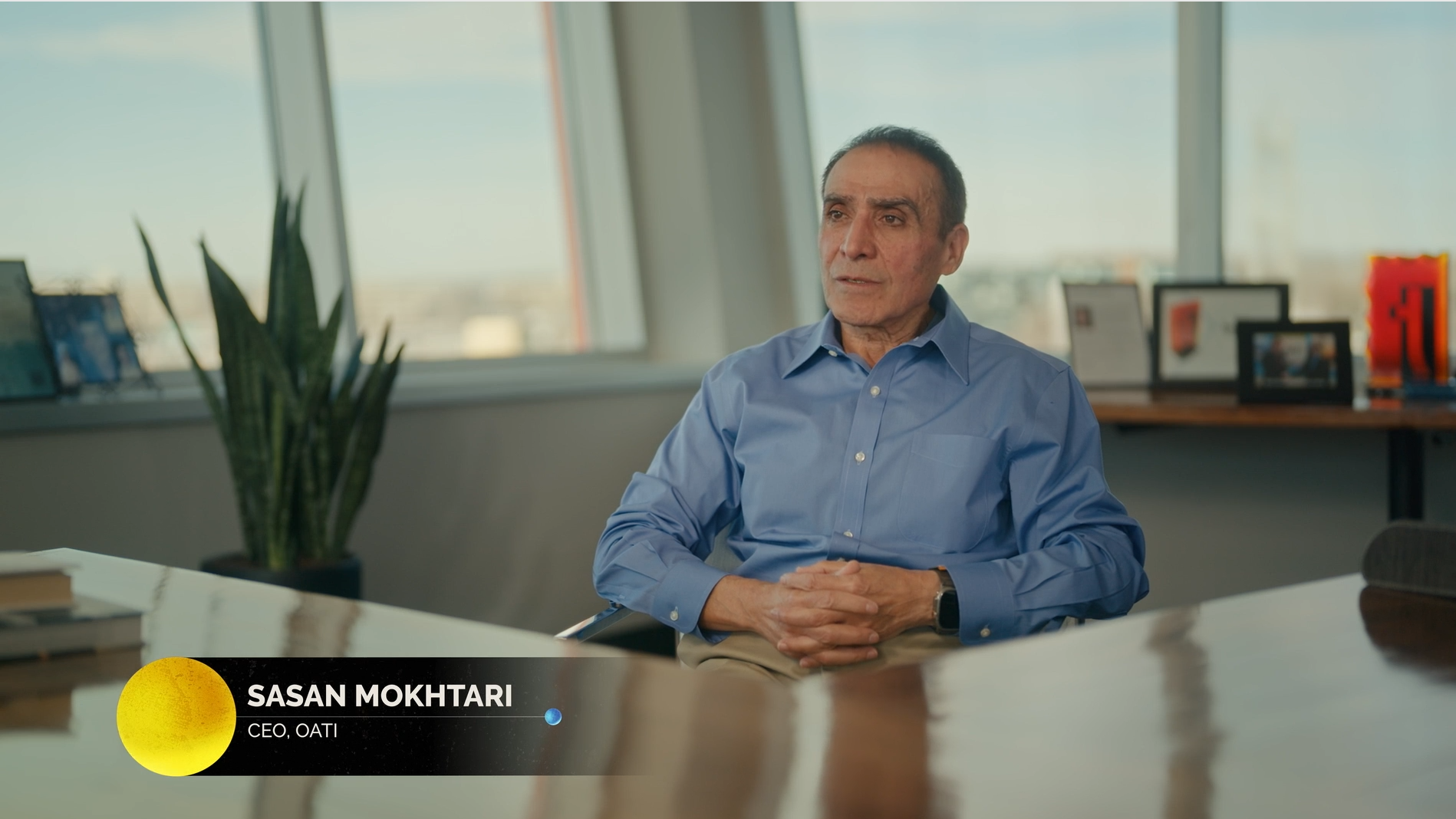
Watch: Energy & The Grid
Three decades behind the grid.
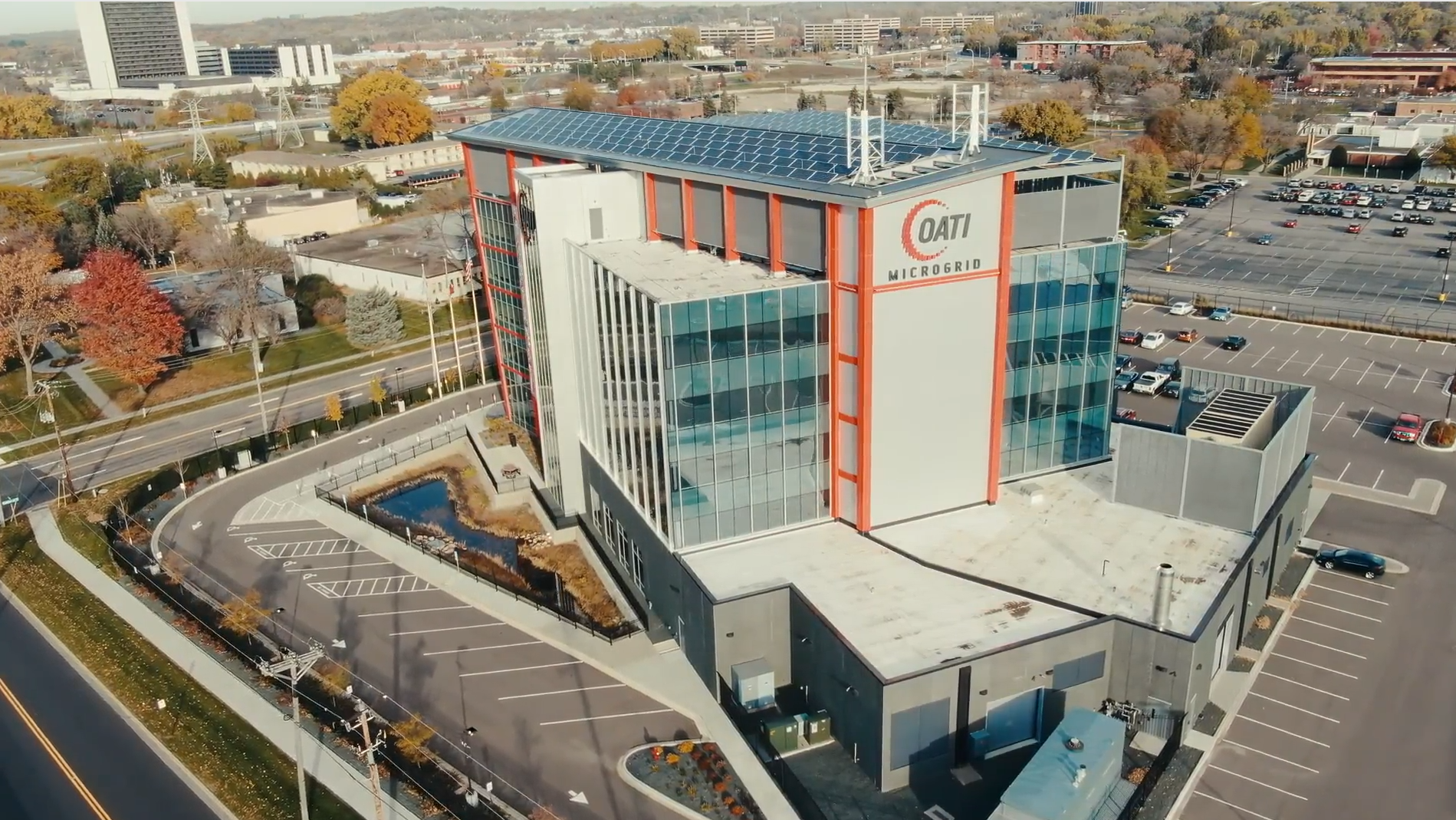
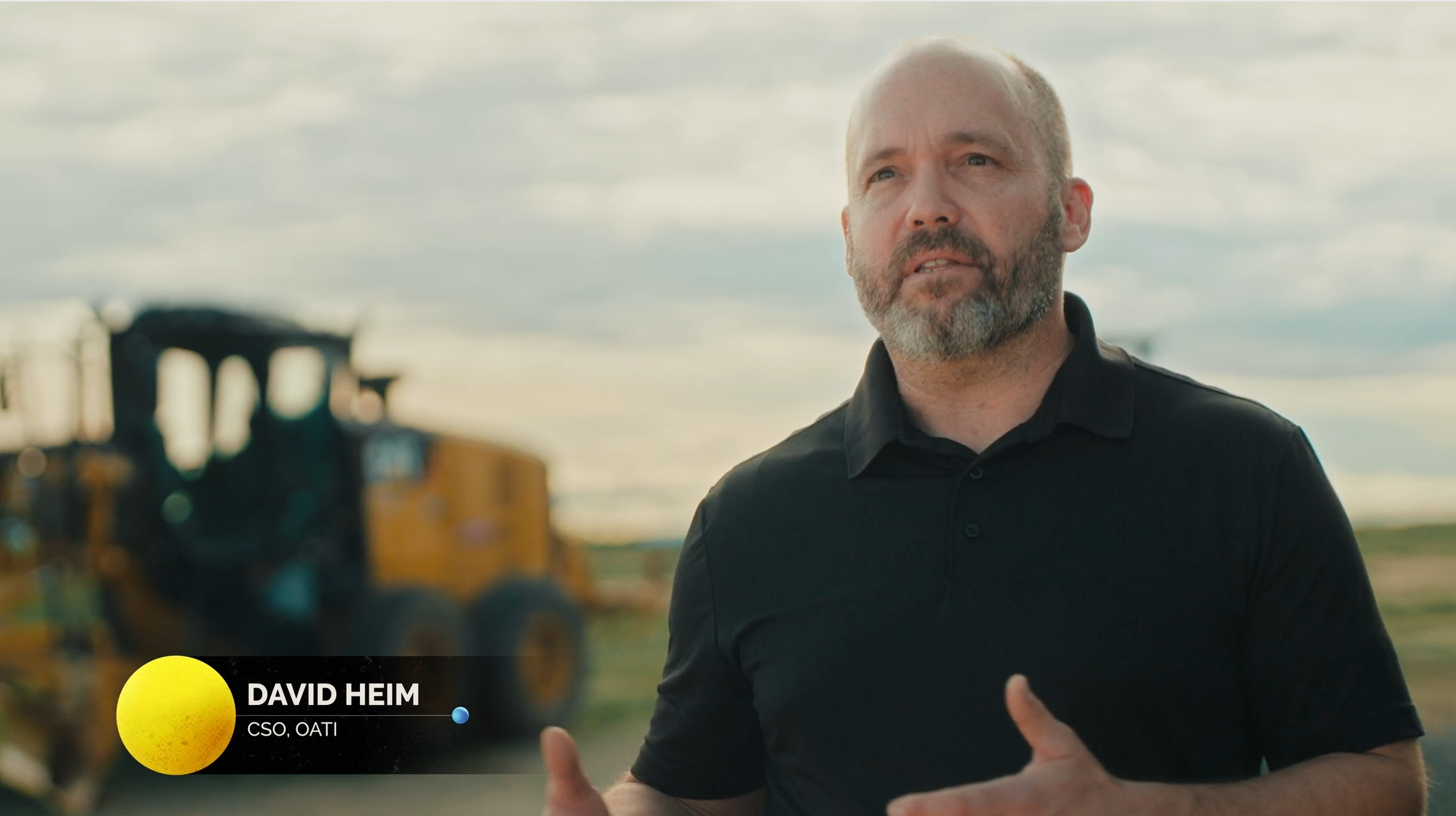
A neighborhood’s solar panels and EV chargers answer to a system most homeowners have never heard of — and the lights stay on. For more than 30 years, OATI has built the critical digital infrastructure behind North America’s power grid, today managing 95 percent of the continent’s transmission system. As renewables, electric vehicles, and data centers pour onto a strained grid, our software keeps it steady — and OATI AI Genie™ is bringing generative AI, and a new paradigm, to control rooms for the first time.
This is the time when electricity becomes a data product.” — as heard in the film
95% of North America’s transmission system
30+ years
Most-deployed smart grid platform
AI in production control rooms
Learn more: California ISO and OATI bring AI to the grid.
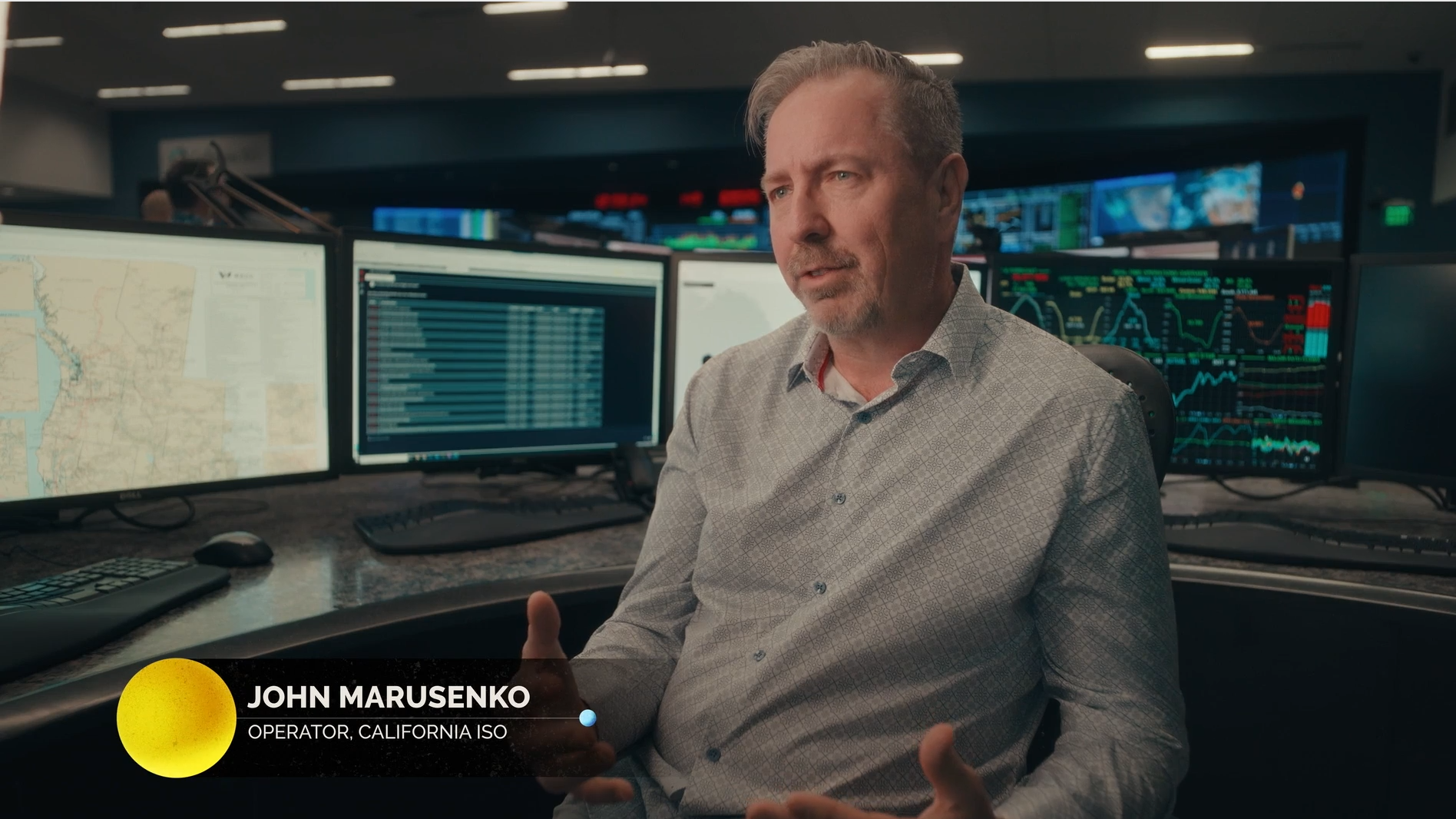
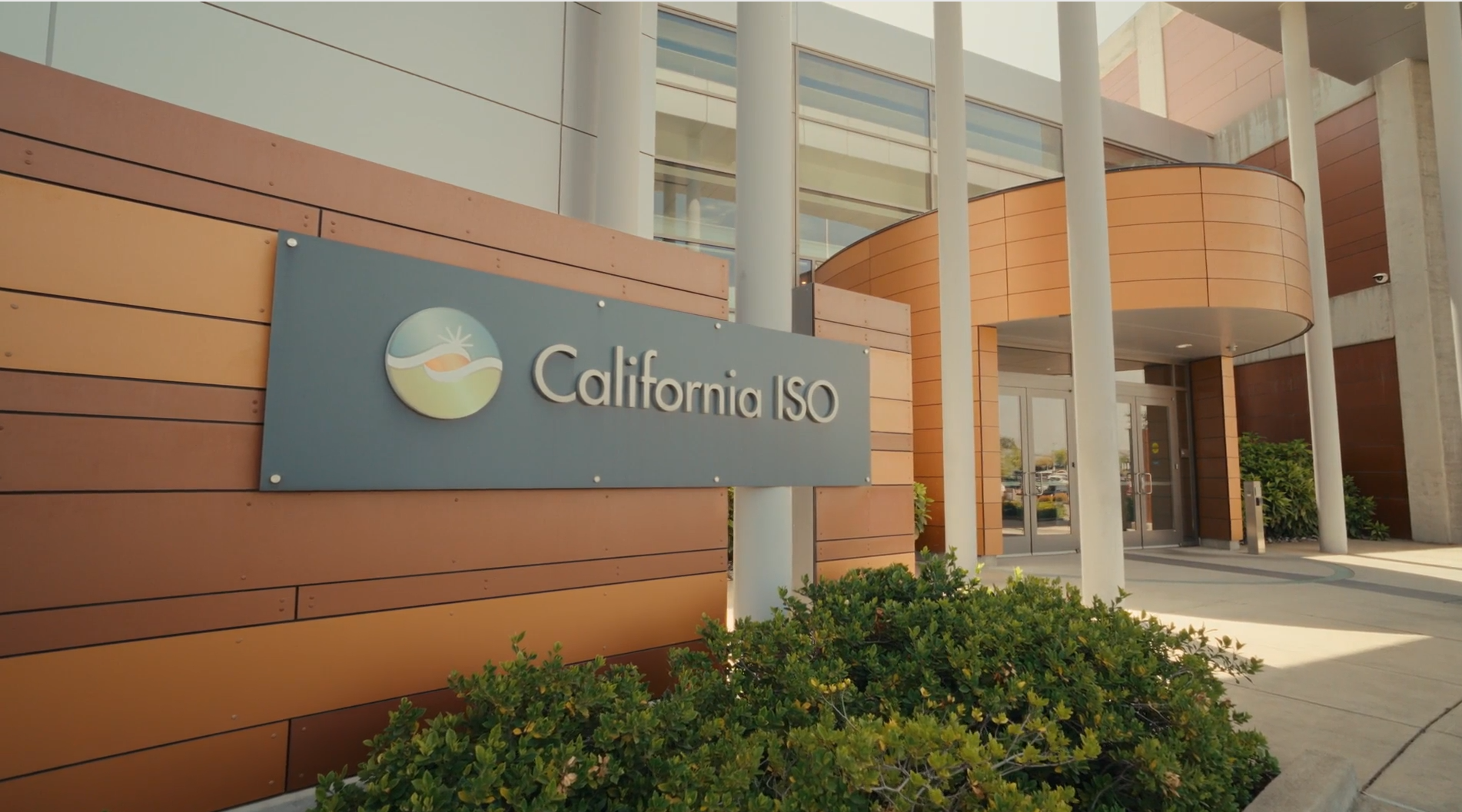
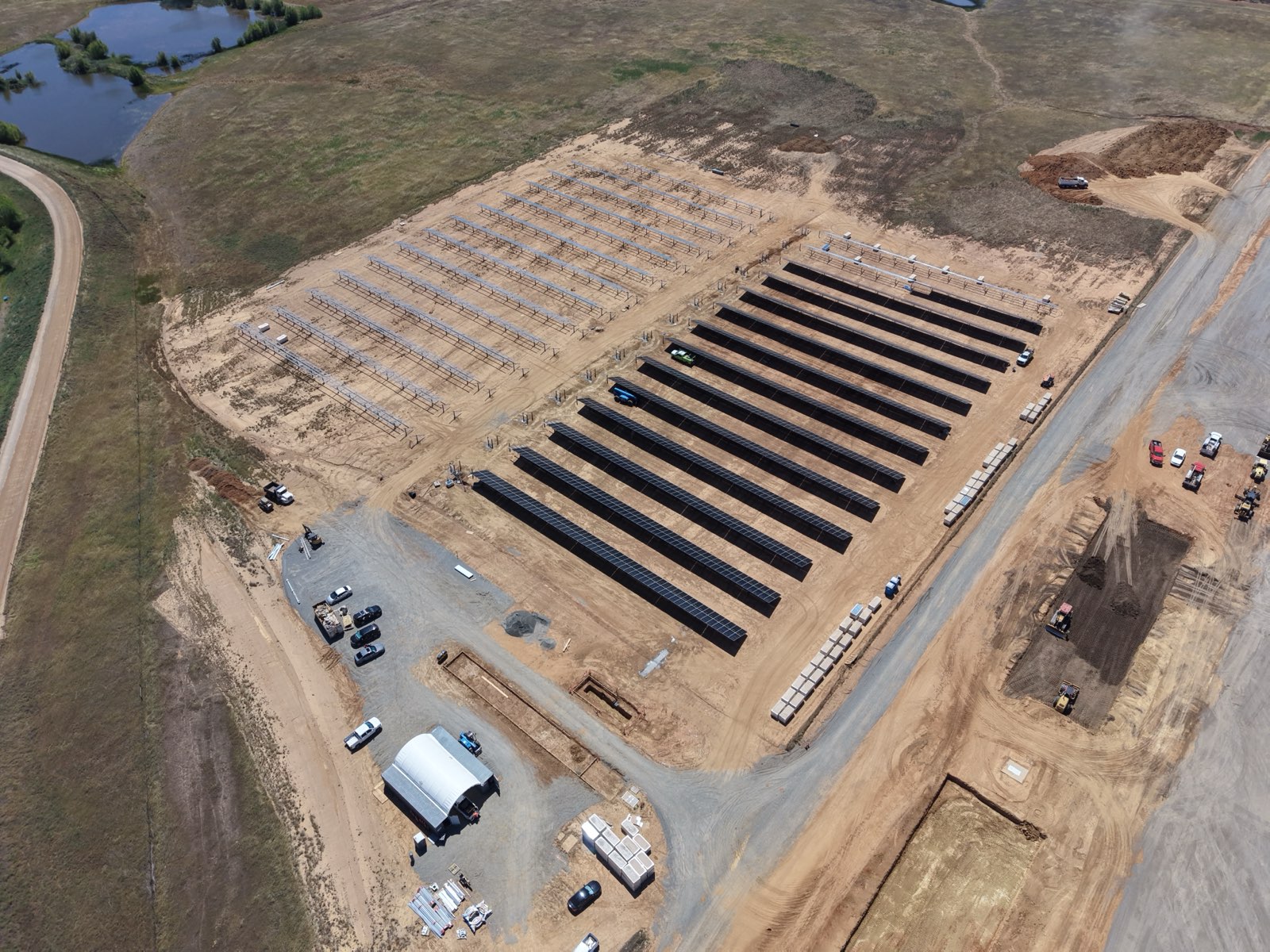
California ISO operators used to spend countless hours reviewing transmission and generation outage data. Rising complexity from AI data centers demanded a new approach.
OATI partnered with CAISO to implement an AI-assisted retrieval-augmented generation (RAG) system that improves processing speed, situational awareness, and streamlines workflows. Workflows that once required a week’s worth of work now take 15 minutes or less.
Together, OATI and CAISO brought generative and agentic AI to real-time power grid operations for the first time with AI Genie. Learn more about the project by requesting our AI in the Control Room whitepaper.
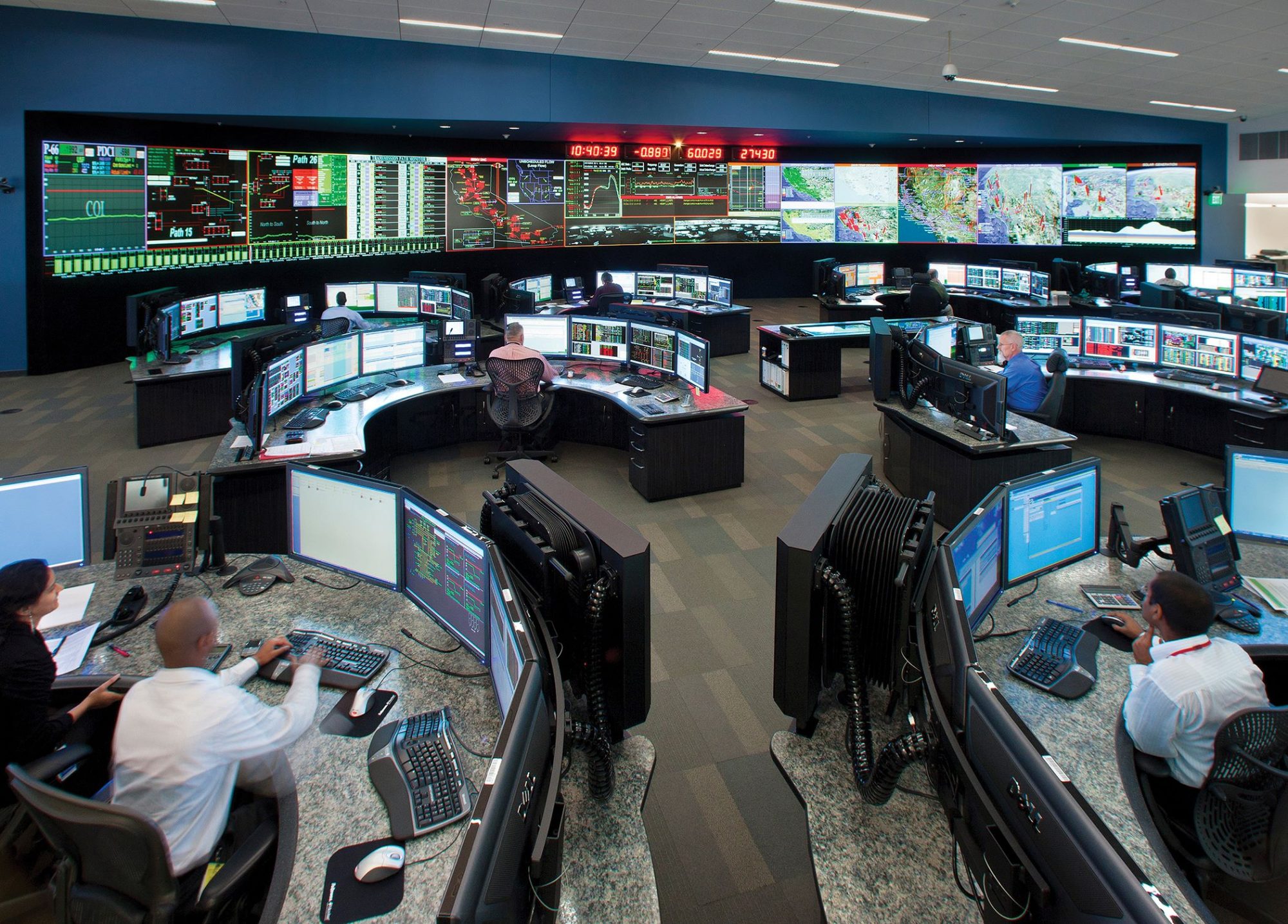
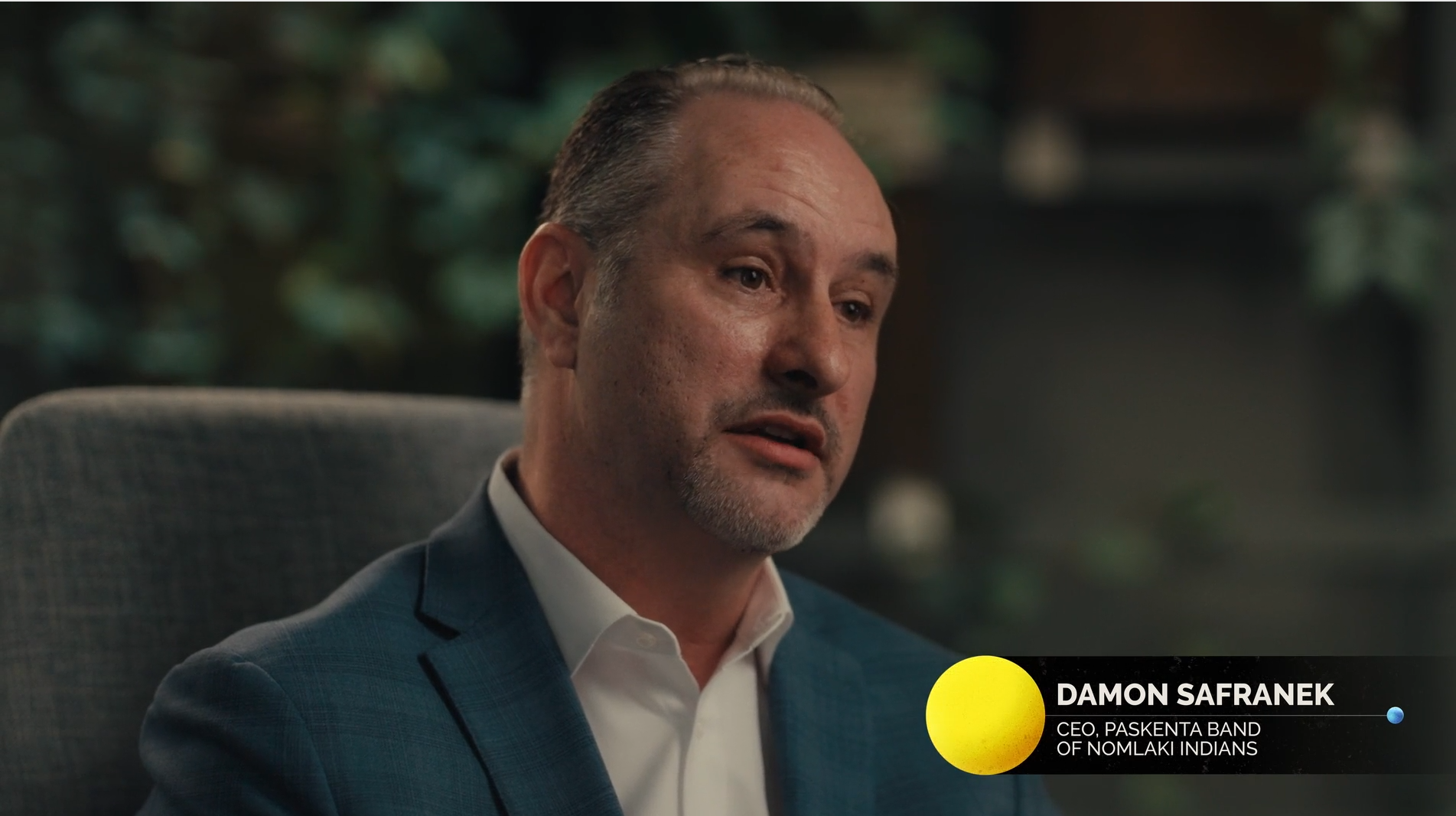
Learn more: Paskenta Band of Nomlaki Indians microgrid project
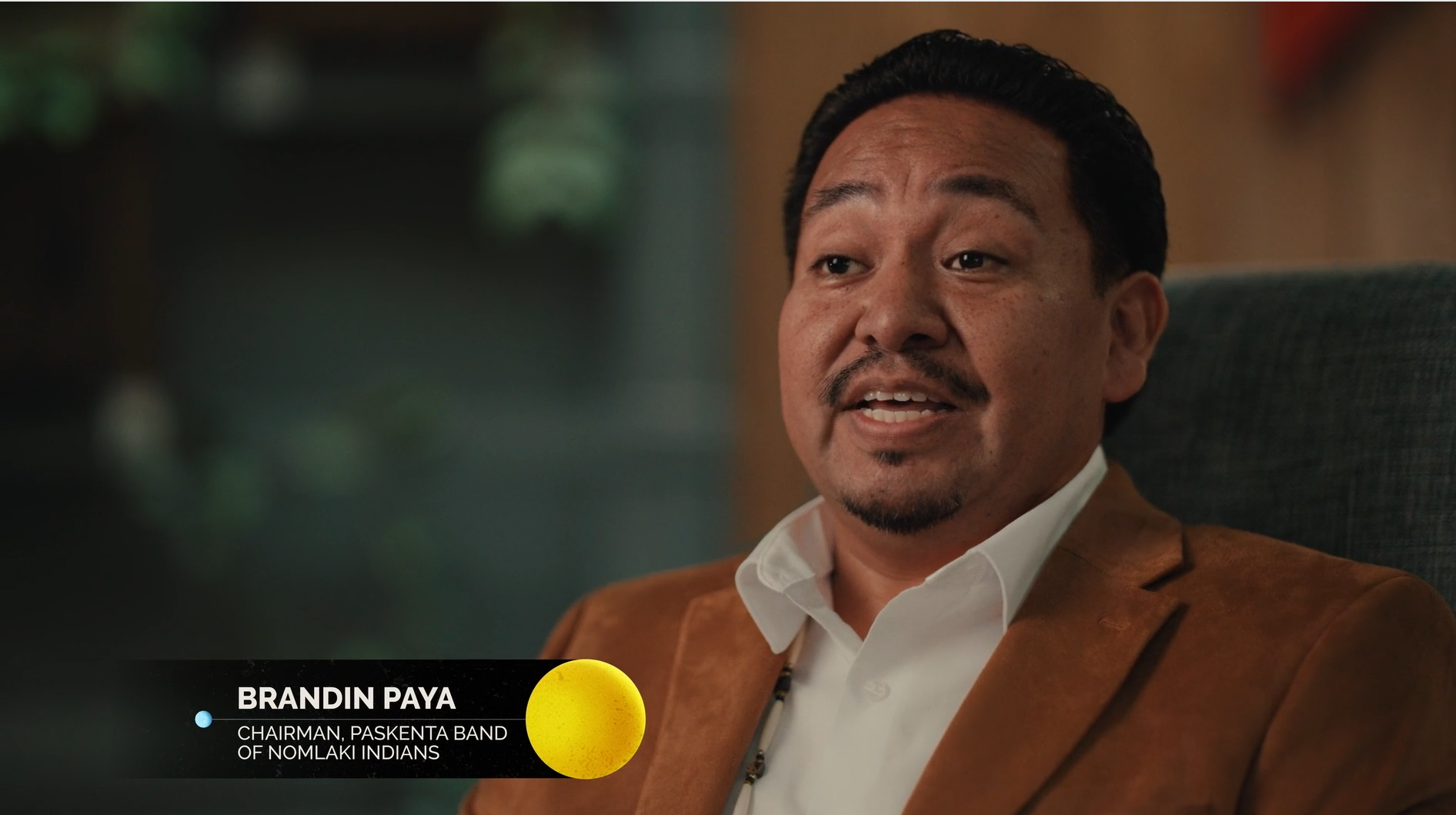
Woven Energy, a tribal energy developer, was leading a multi-site microgrid project for the Paskenta Band of Nomlaki Indians in Northern California. They needed a partner that could support the onsite microgrid controls and resource optimization in addition to engineering and design support.
OATI GridMind® is integrated in both microgrid sites to optimize how each system produces, stores and uses power through automated, timely and rule-based actions. OATI also provided design and deployment expertise to support integrated controls in normal operations and the ability for each microgrid to operate together or independently. Ultimately, tribal leaders aim to use GridMind® as the key enabler of an independent, tribal-owned utility.
Learn more about the project in recent coverage from Microgrid Knowledge and Energy Storage News.
Go deeper
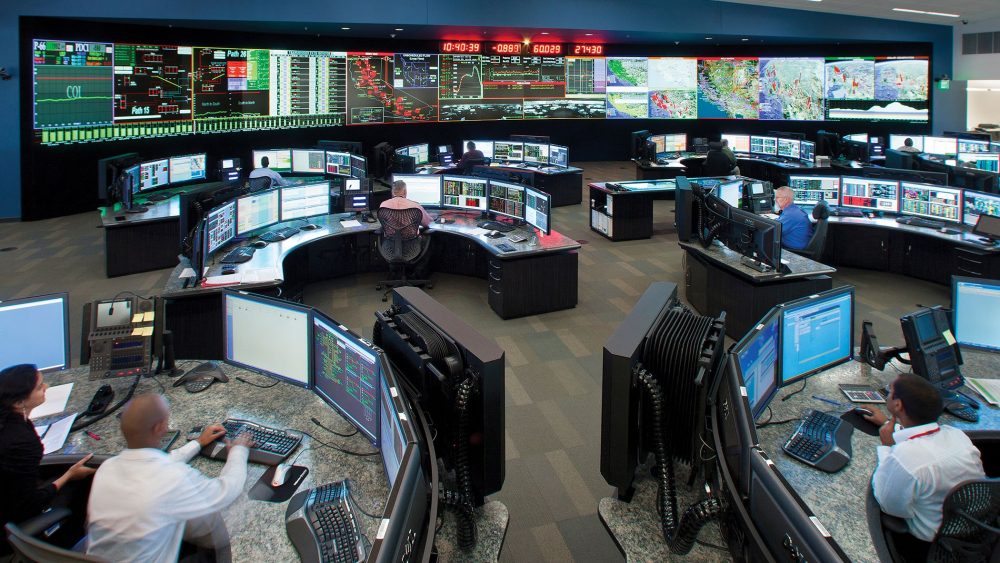
Meet AI Genie™
Energy-native AI, already in the control room.
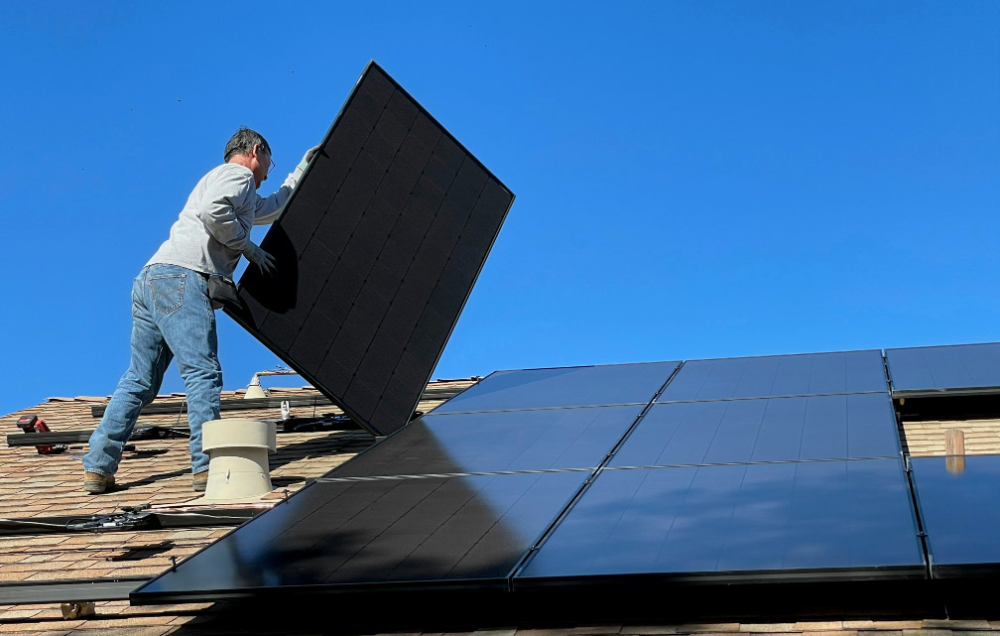
How utilities scale
Learn more about the most-deployed smart grid platform.
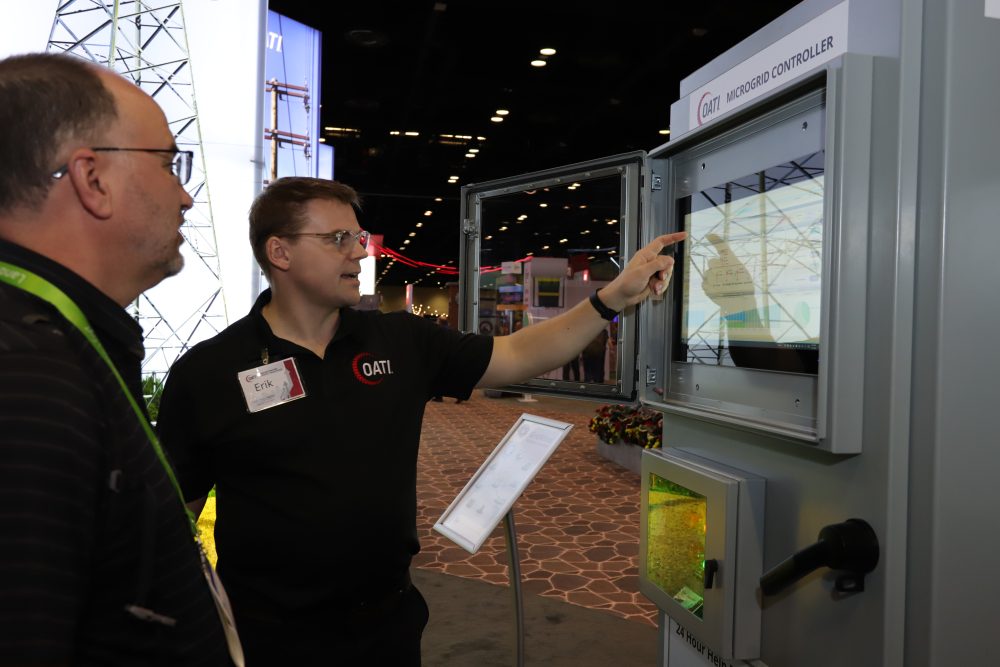
Build the unseen systems
Develop the tools that run the grid.
The grid is changing. See what runs it.
For press inquiries, interviews, or episode assets, contact OATI@FischTankPR.com.
FAQ from the episode
A Distributed Energy Resource Management System, or DERMS, is software that helps a utility see, forecast, coordinate, and control distributed energy resources such as rooftop solar, batteries, electric vehicles, smart thermostats, flexible buildings, and backup generation. It can manage resources individually or as an aggregated portfolio, helping operators match available flexibility to grid needs. A DERMS may also connect customer programs, grid operations, metering, dispatch, performance measurement, settlement, and wholesale-market participation.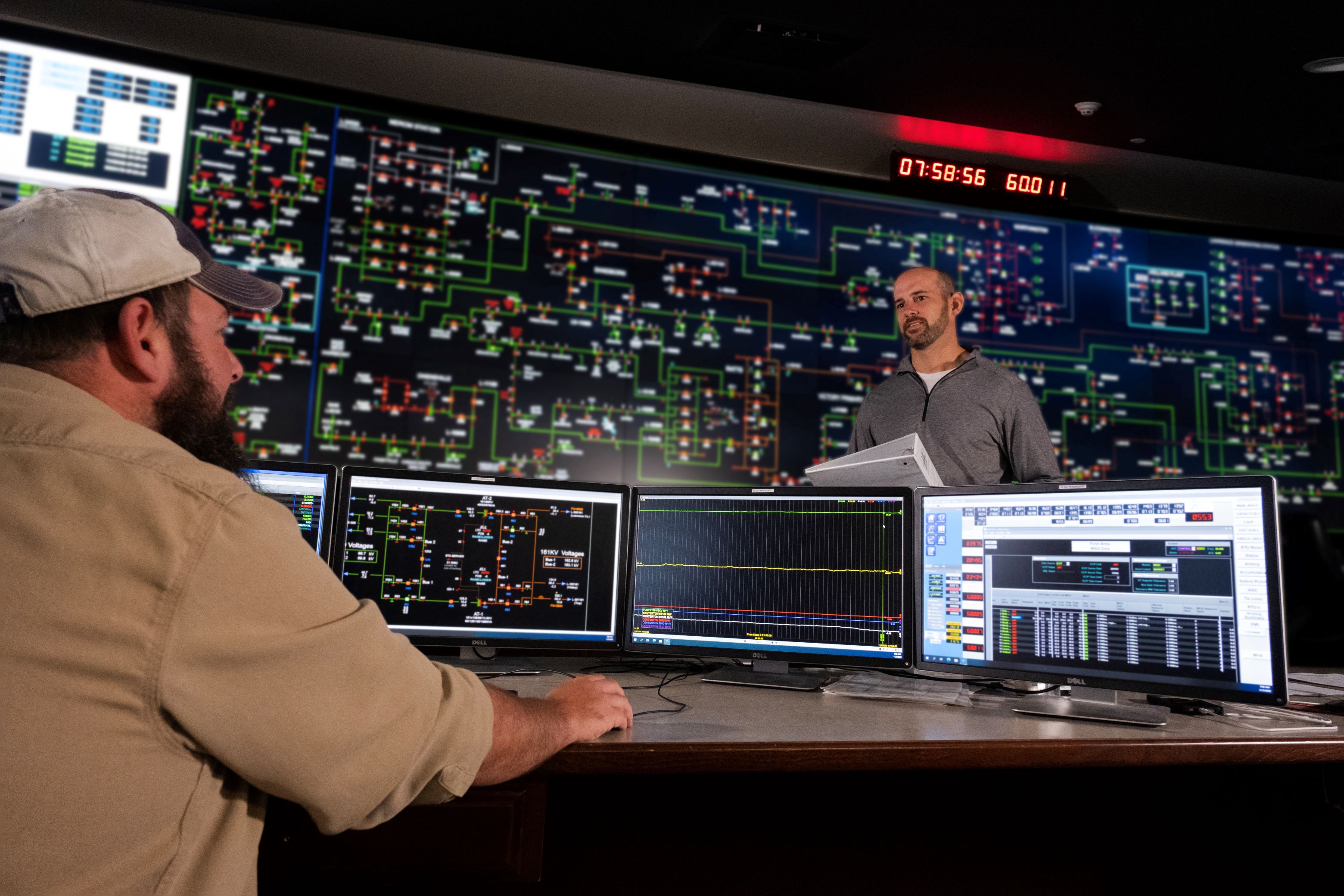
A microgrid is a defined group of electrical loads and distributed energy resources that can be controlled as one system. It normally works alongside the larger grid but, when designed to do so, can disconnect and continue serving local loads in island mode. Microgrids can combine solar, batteries, generators, flexible loads, and a controller that decides how those resources should operate together.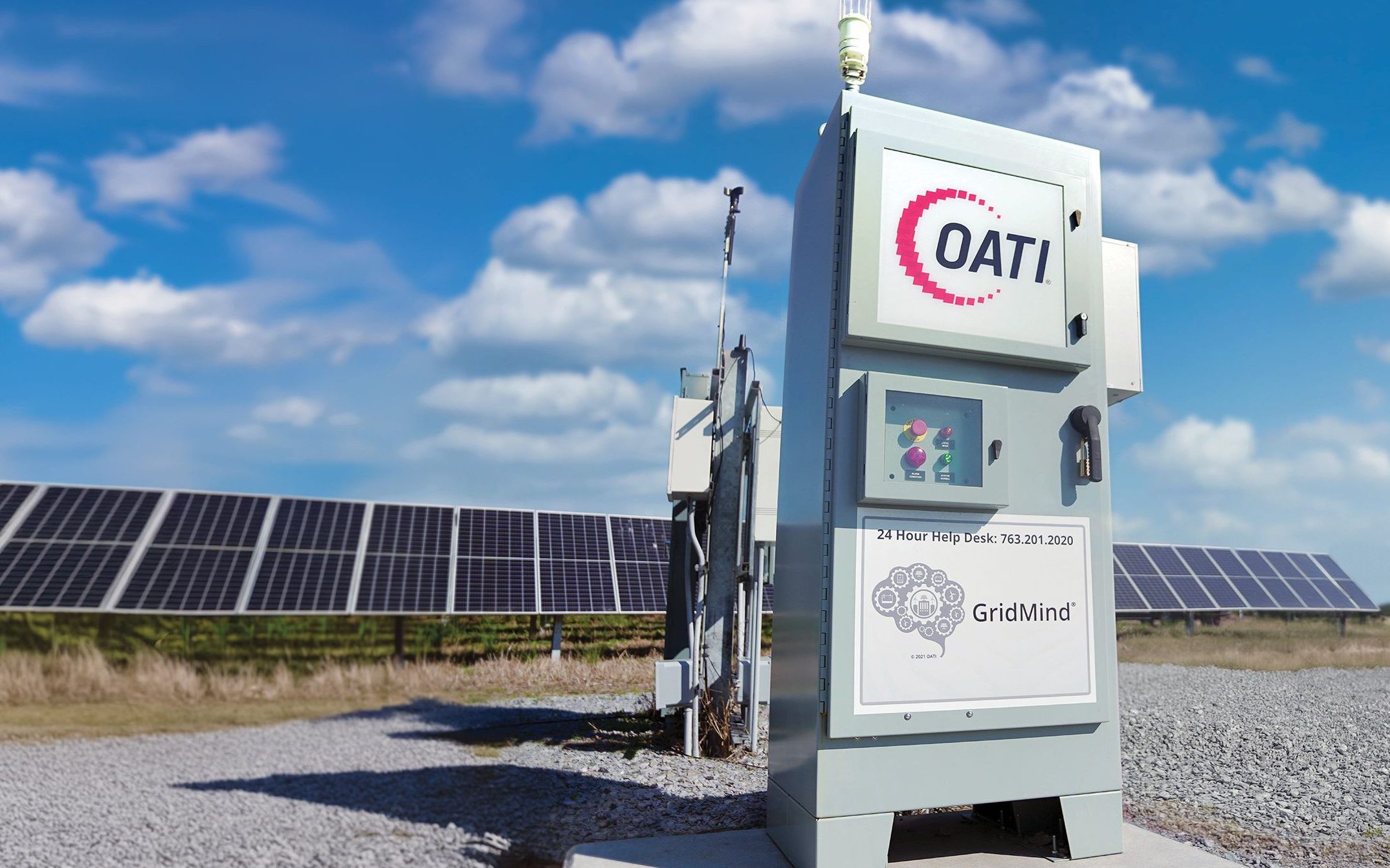
AI can help power grid operators analyze information, identify developing conditions, retrieve procedures, recommend actions, and automate approved routine work. It should not be treated as an unsupervised replacement for grid operators: the level of automation depends on the use case, the operating environment, testing, established limits, and the utility’s governance procedures. In critical infrastructure, AI systems must be evaluated for reliability, security, transparency, and human oversight before operators depend on their outputs.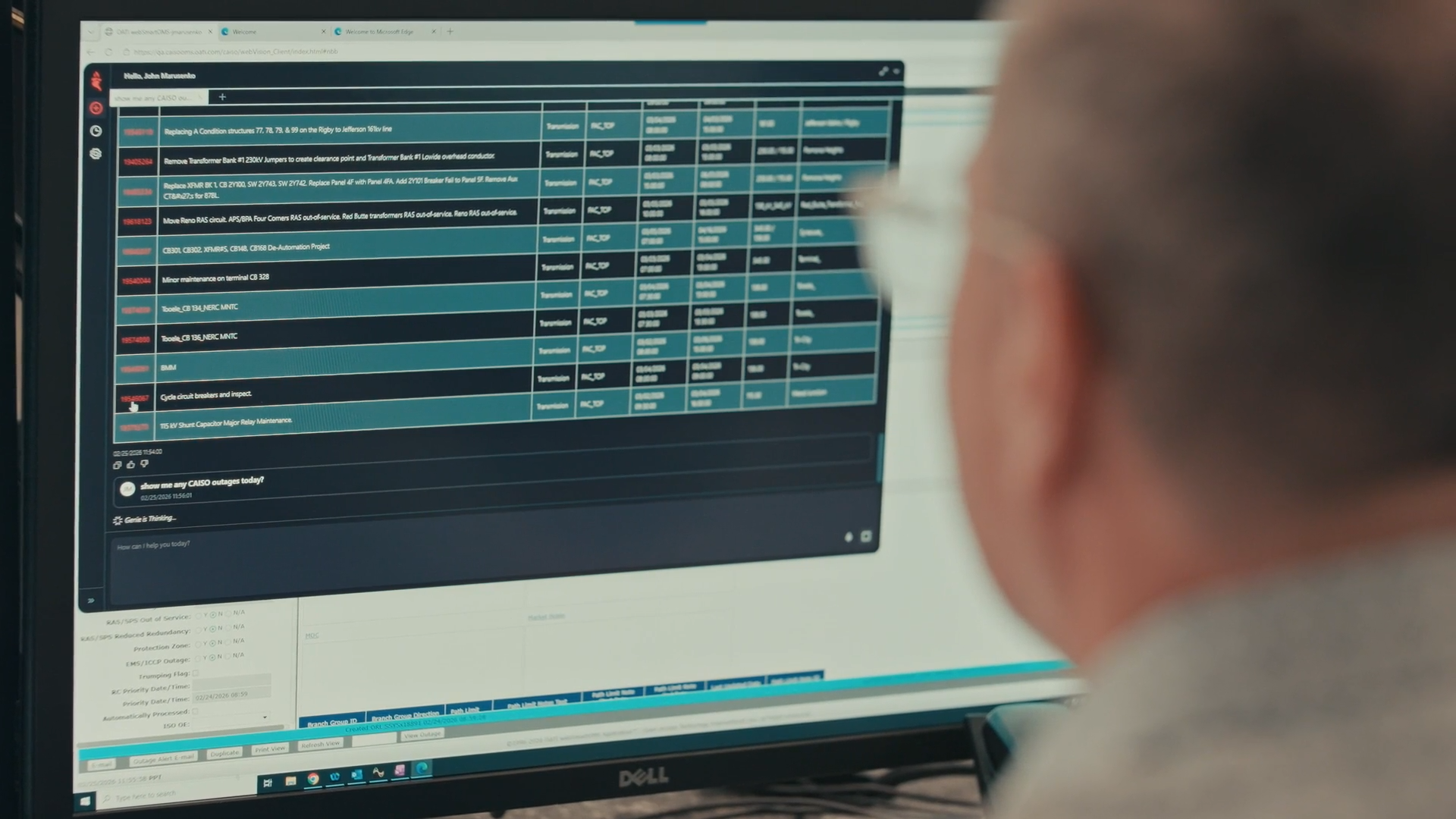
OATI develops software used by utilities, grid operators, energy traders, cooperatives, and communities to operate the power system—from distributed resources and microgrids to transmission reliability and wholesale energy markets. Its platforms help organizations coordinate grid-edge devices, manage utility programs, operate local energy systems, support control-room workflows, and participate in energy markets. OATI describes its role as helping the energy industry get more value from the grid it already has while preparing it for rising load and a more distributed resource mix.
A virtual power plant, or VPP, is an aggregation of distributed resources that is coordinated so the portfolio can provide grid services at meaningful scale. Those resources may include batteries, thermostats, electric vehicles and chargers, water heaters, solar-plus-storage systems, smart buildings, and flexible commercial or industrial loads. The VPP is the coordinated portfolio; the DERMS can be the operational platform used to enroll, forecast, dispatch, measure, and settle its resources.