The electric industry is entering a period of sharper complexity. Load is rising in new places and in new forms. Resource mixes are changing, reliability expectations have not moved, and the path forward is being shaped not by one solution, but by how well the industry coordinates infrastructure, policy, markets, and community priorities.
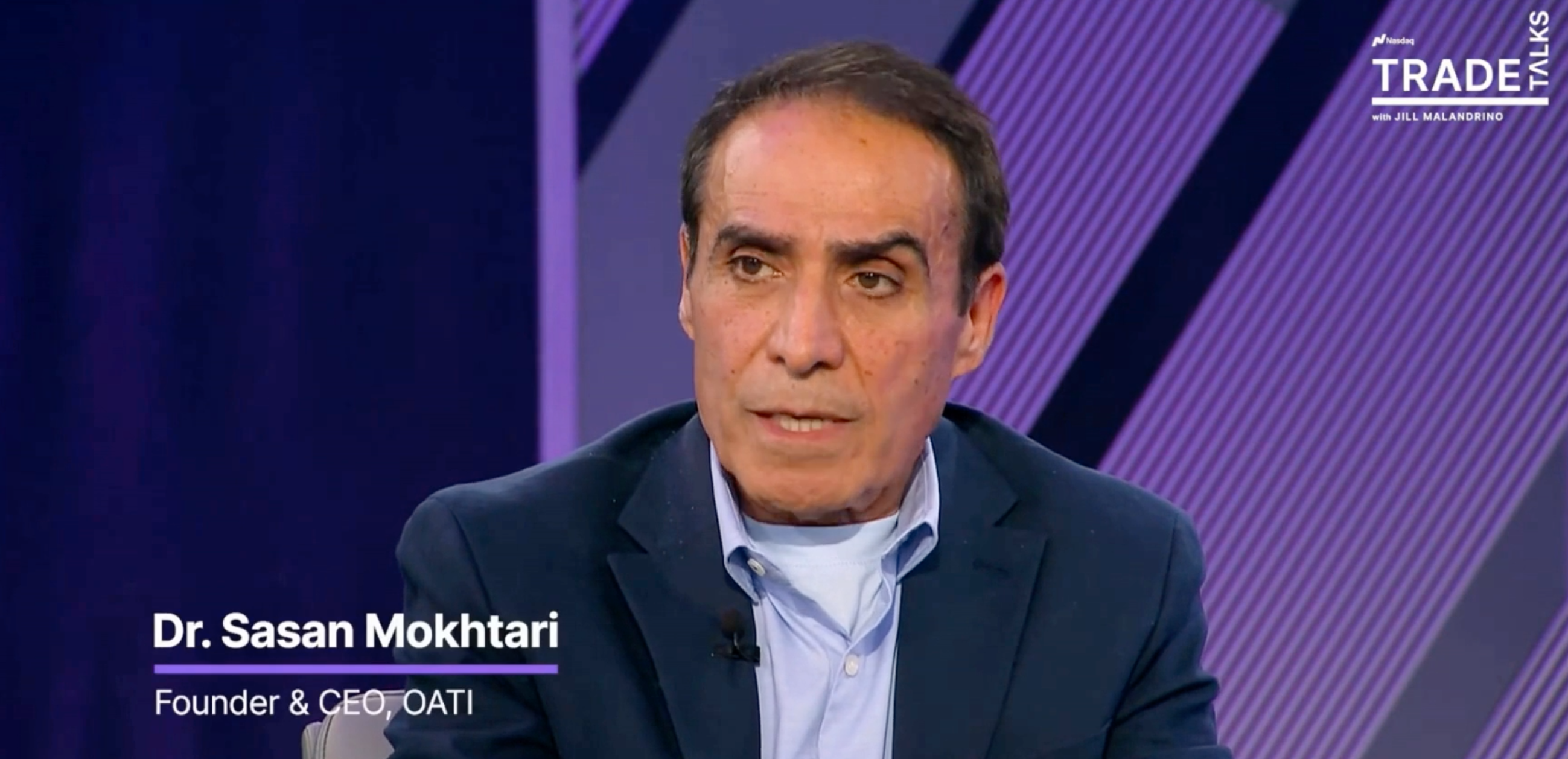
Those themes were at the center of a recent Nasdaq TradeTalks discussion, where OATI founder and CEO Dr. Sasan Mokhtari joined leaders from PA Consulting, Edelman Smithfield, and ABB US to discuss what will define American next-generation energy leadership.
One of the most important themes from the TradeTalks discussion was resource diversification. A more diverse resource mix can improve resilience and optionality, but it also increases operational complexity. Utilities are being asked to manage dispatchable and non-dispatchable resources, centralized and distributed assets, and increasingly dynamic patterns of demand. That means leadership today must be grounded in coordination. The organizations best positioned for the next decade will be the ones that can connect grid edge activity, operational systems, enterprise data, and market participation into one coherent model. Resource diversification is only as valuable as the systems that make it visible, controllable, and actionable.
For OATI, these themes connect directly to the work ahead. The grid is becoming more distributed, more digital, and more interdependent. That makes enterprise coordination more important than ever. It also reinforces a simple idea: the next phase of grid leadership will belong to organizations that can connect operations, markets, and intelligence in a way that scales. That is why OATI continues to focus on building infrastructure for the grid ahead — platforms that help utilities and energy organizations modernize responsibly, operate with greater clarity, and prepare for what comes next.