DERMS case study: North Carolina’s Electric Cooperatives

North Carolina Electric Membership Corporation (NCEMC), a generation and transmission electric cooperative supporting 26 electric cooperatives, needed a distributed energy resource management system (DERMS) to manage and orchestrate demand response programs for each of its member cooperatives.
OATI DERMS allows NCEMC to:
- Create demand response programs from an array of DERs, including microgrids, solar, and smart thermostats
- Gain visibility into the performance of DER assets
- Dispatch programs form a single dashboard
- And more…
Request the DERMS case study
Resources to keep your
DERMS journey on track.
Short-term load growth strategies
Our short-term load growth whitepaper looks at digital strategies for maximizing output from existing distributed energy resources as demand from data center development, industrial manufacturing, and broader electrification rises sharply.

What are the different types of utility DERMS?
What separates aggregator and grid-edge DERMS from grid DERMS, and what does enterprise DERMS really mean in practice.
OATI created the first DERMS in 2009 and has been the market leader ever since.
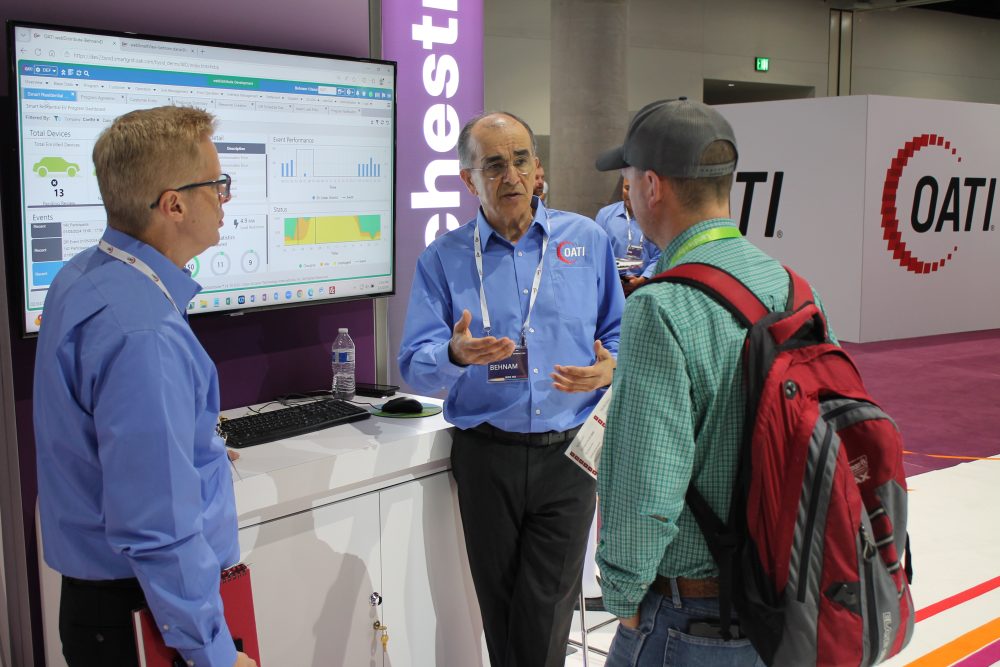
Utility DERMS in action
Utility leaders face a pivotal moment: balancing grid reliability, distributed resource integration, and modernization. But finding proven, verifiable DERMS case studies can be challenging in a murky vendor pool.