
At DTECH 2026 in San Diego, the message was resoundingly clear: no longer can utilities, or the power grid, accept the status quo. Flexibility is the name of the game— not just for power grid operations, data centers, or power producers, but for each of us helping to keep these systems afloat.
OATI once again demonstrated its strength, scale, and ingenuity at the latest addition of DTECH, North America’s largest transmission and distribution utility event. Our INTO THE FUTURE theme was more than a catchy tagline— it aptly describes how our experts think about providing utilities, asset owners, and grid operators with the tools they need to tackle the challenges of today and tomorrow.
From the 1-on-1 presentations in the OATI booth to the panel sessions featuring our world-class power systems experts, here are five key takeaways from DTECH 2026:
1. The flexible grid is here
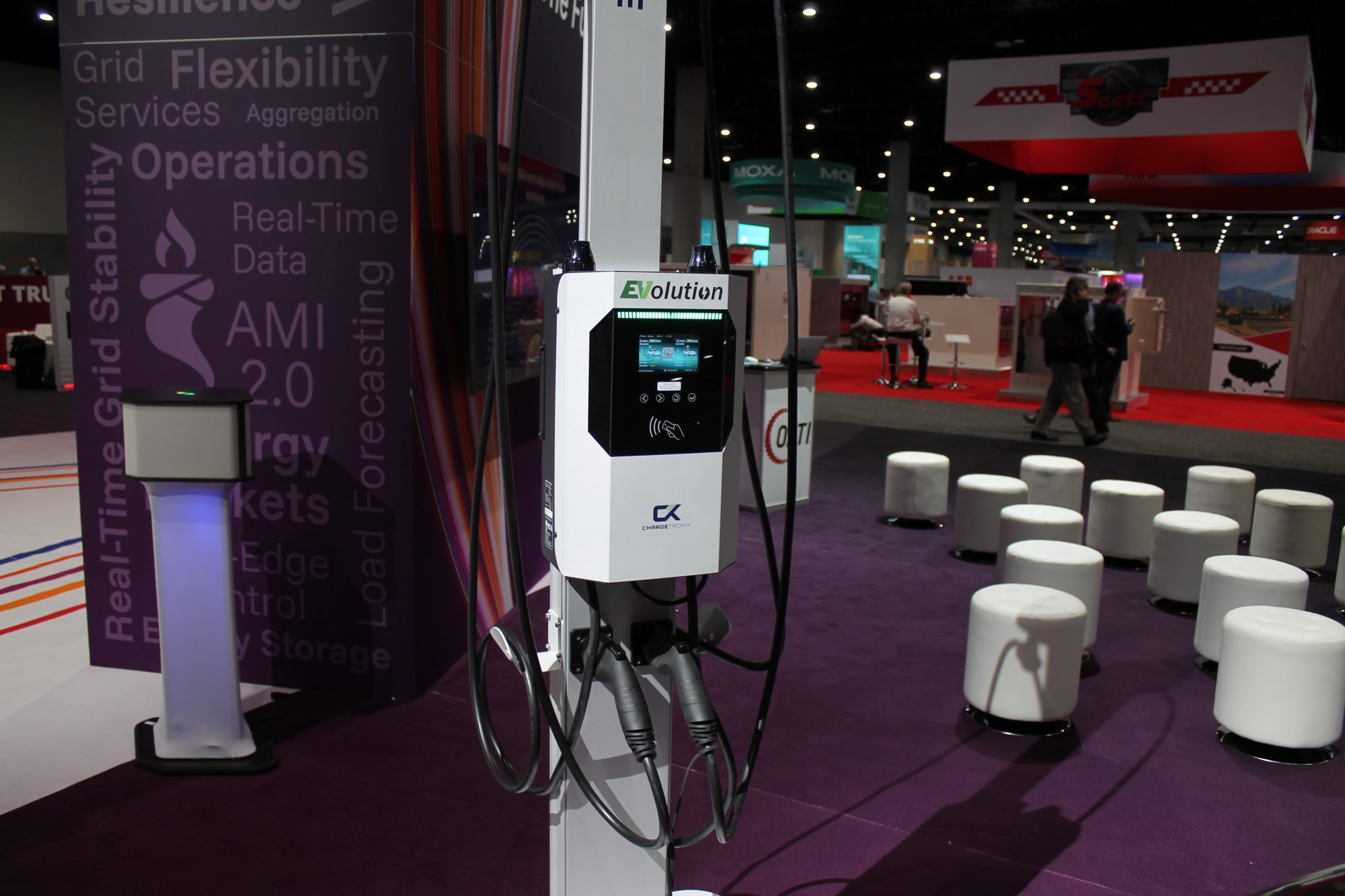
The conversation surrounding grid flexibility has evolved from an idea to an imperative for utilities and grid operators. Unprecedented load growth, fueled by electrification, EVs, and AI data centers, requires more creative grid planning and operations. Distributed energy resources (DER) play a critical role in the equation— so long as the right controls and communication infrastructure are in place.
- DER growth is outpacing traditional planning assumptions
- Load profiles are becoming more volatile and location-specific
- Operators need tools that can actively shape load, not just respond to it
OATI DERMS enables real-time visibility and control of DERs, both behind and in front of the meter, as well as intelligent customer management and market participation. Combined with the advanced OATI GridMind® microgrid and asset controls, utilities can extend the reach of their control rooms and execute dynamic operational plans that enhance system reliability and resilience.
2. Microgrids are more than resilience
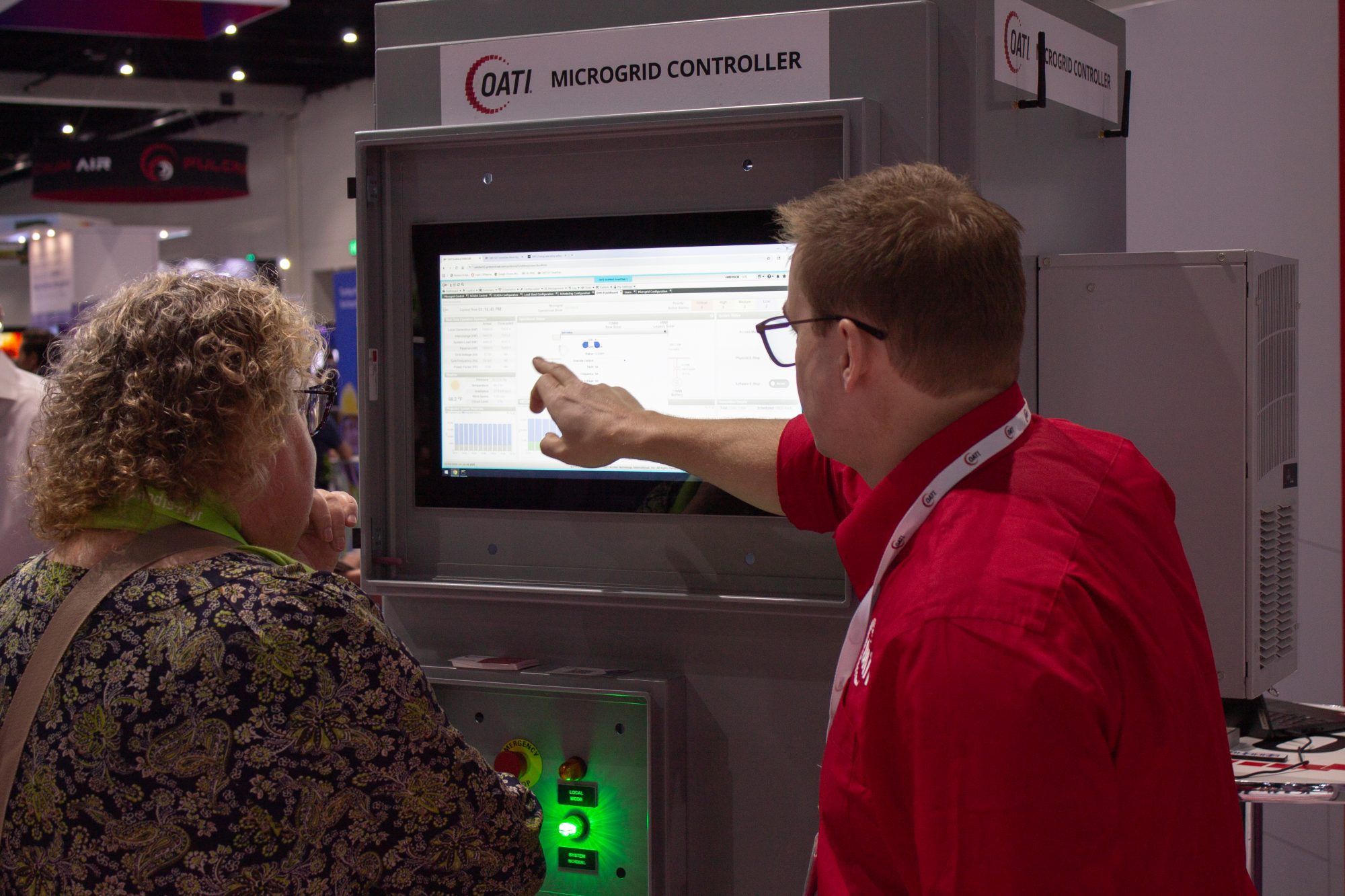
Microgrids were once treated as emergency assets. At DTECH, they were discussed as everyday operating tools.
The most forward-thinking utilities are no longer deploying microgrids just to island during outages. They’re using them to:
- Optimize local energy usage
- Support capacity constraints
- Improve reliability for critical loads
- Integrate renewable generation and storage
- Participate in energy markets
With OATI GridMind®, microgrids move from isolated assets to fully integrated components of grid operations.
GridMind® enables:
- Seamless transitions between grid-connected and islanded modes
- Real-time optimization of multiple assets
- Coordinated dispatch with utility operations
Microgrids are no longer about resilience alone. They’re about operational intelligence at the grid edge.
3. Utilities are ready to take the next step with AI
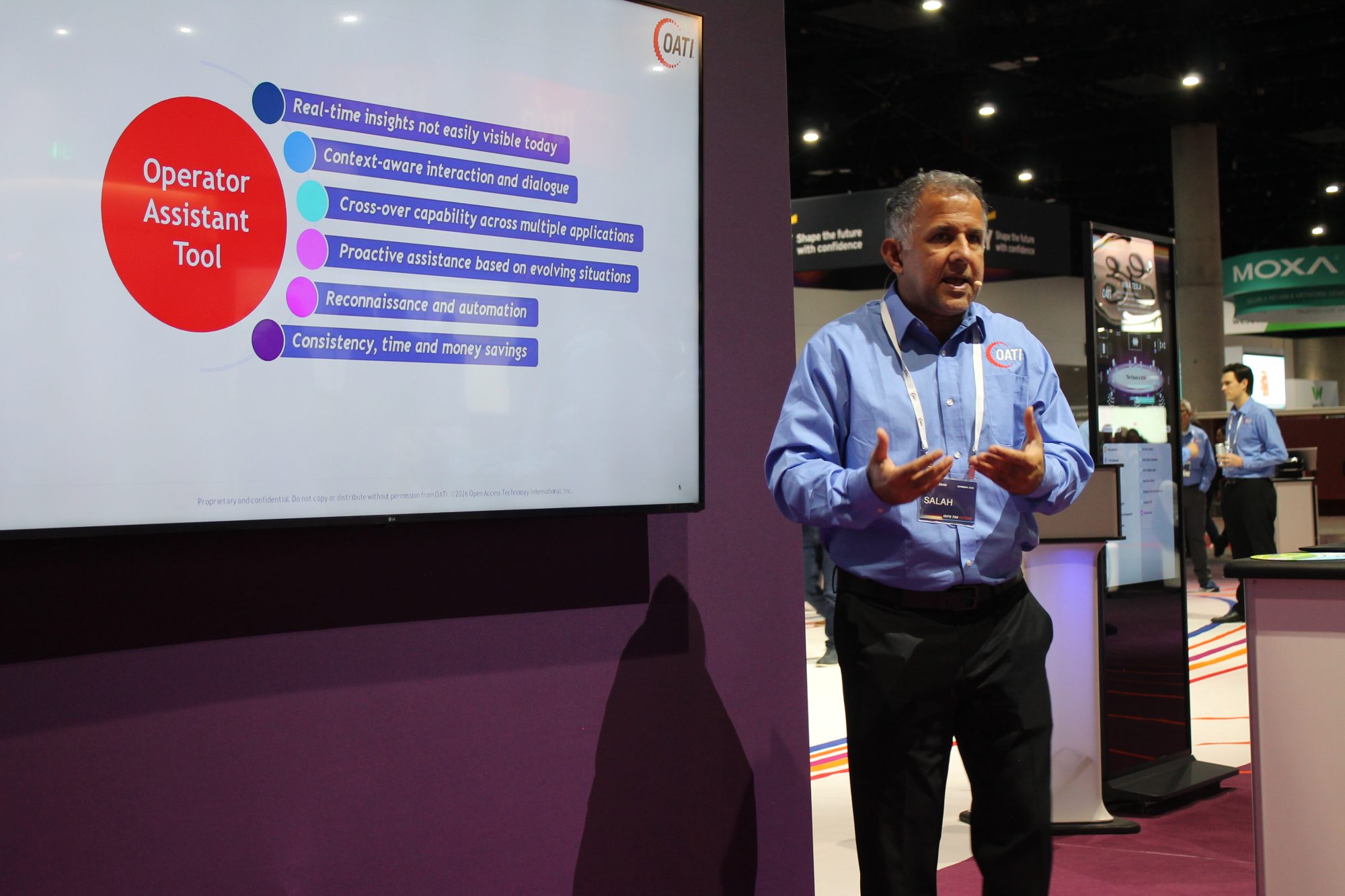
AI was everywhere at DTECH again this year—but the tone has shifted.
Utilities, known for their aversion to risk, are ready to take the next step with real AI solutions, and OATI Genie™ stood apart from the pack at DTECH 2026. OATI Genie™ meets utilities where they are in the journey, while setting them up for a future filled with dynamic and intuitive grid tools. As an operator assistant, Genie™ improves grid operator efficiency and accuracy while utilizing the decades of data and power systems experience at OATI.
In the panel Here, at last: AI breaks into grid operations at CAISO, experts from OATI and the California ISO demonstrated how Genie™ is transforming real-time operations for one of the most complex power grids in the world.
Unlike generic AI models, Genie™ is trained on 30 years of trusted operational energy data, with real-time data flowing through OATI’s private data centers. Simply put, Genie™ gets the grid.
4. For utilities, interoperability is king
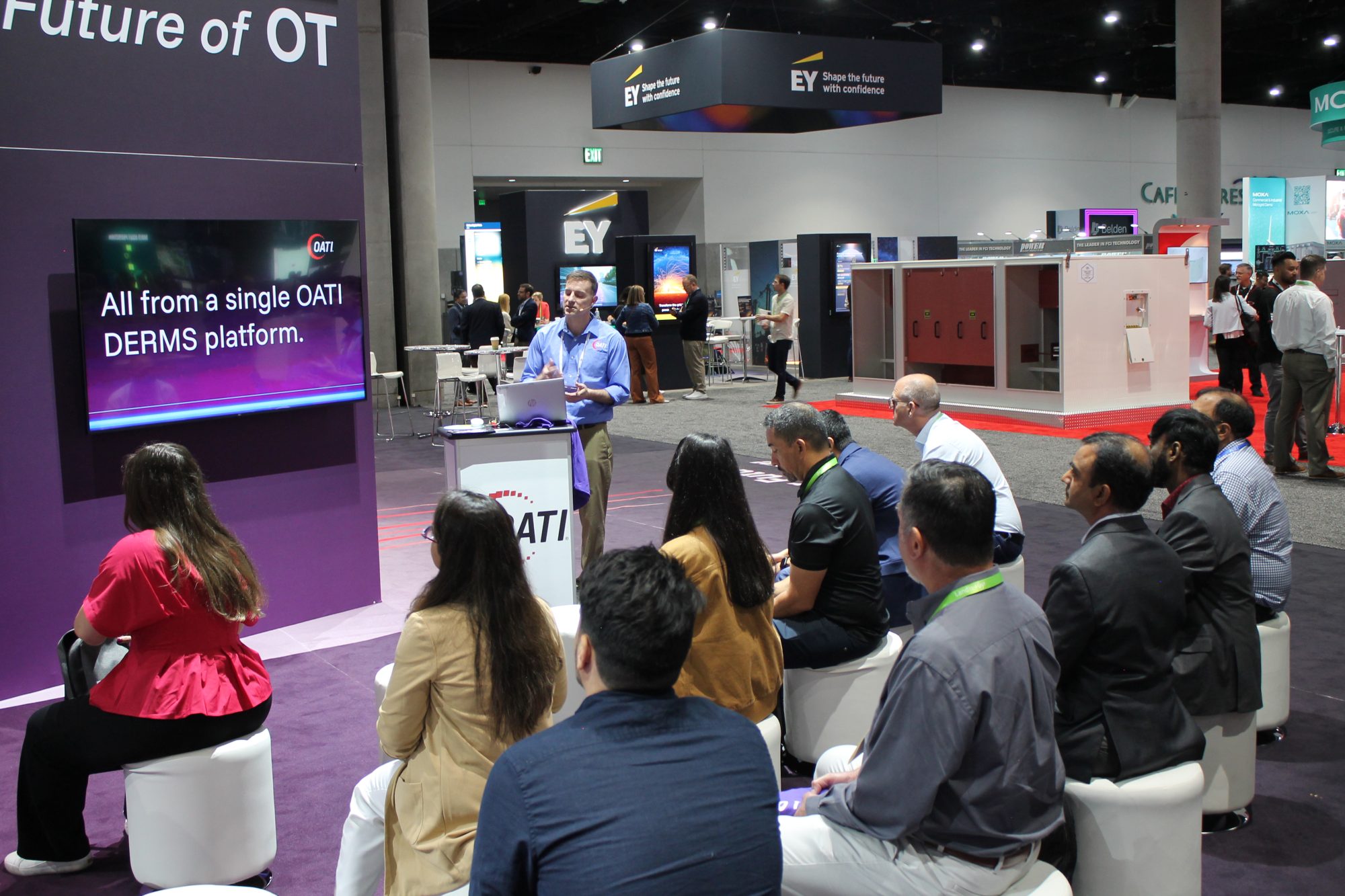
DTECH is a showcase of the latest and greatest software technology the energy industry has to offer. But none of these tools can be assessed in isolation, no matter how “revolutionary” they may be.
For utilities, a software platform’s interoperability is just as important as its own capability. OATI DERMS, the industry’s most-deployed DERMS, provides a single pane of glass for utilities, seamlessly aligning with the related platforms critical to modern utility operations, like AMI, ADMS, CMS, etc.
This gets to the heart of OATI’s “DERMS that works” message. Many technology providers (startups and multi-national conglomerates alike) have failed to develop and deploy reliable DERMS platforms because of interoperability challenges.
5. Utility silos are breaking down— finally
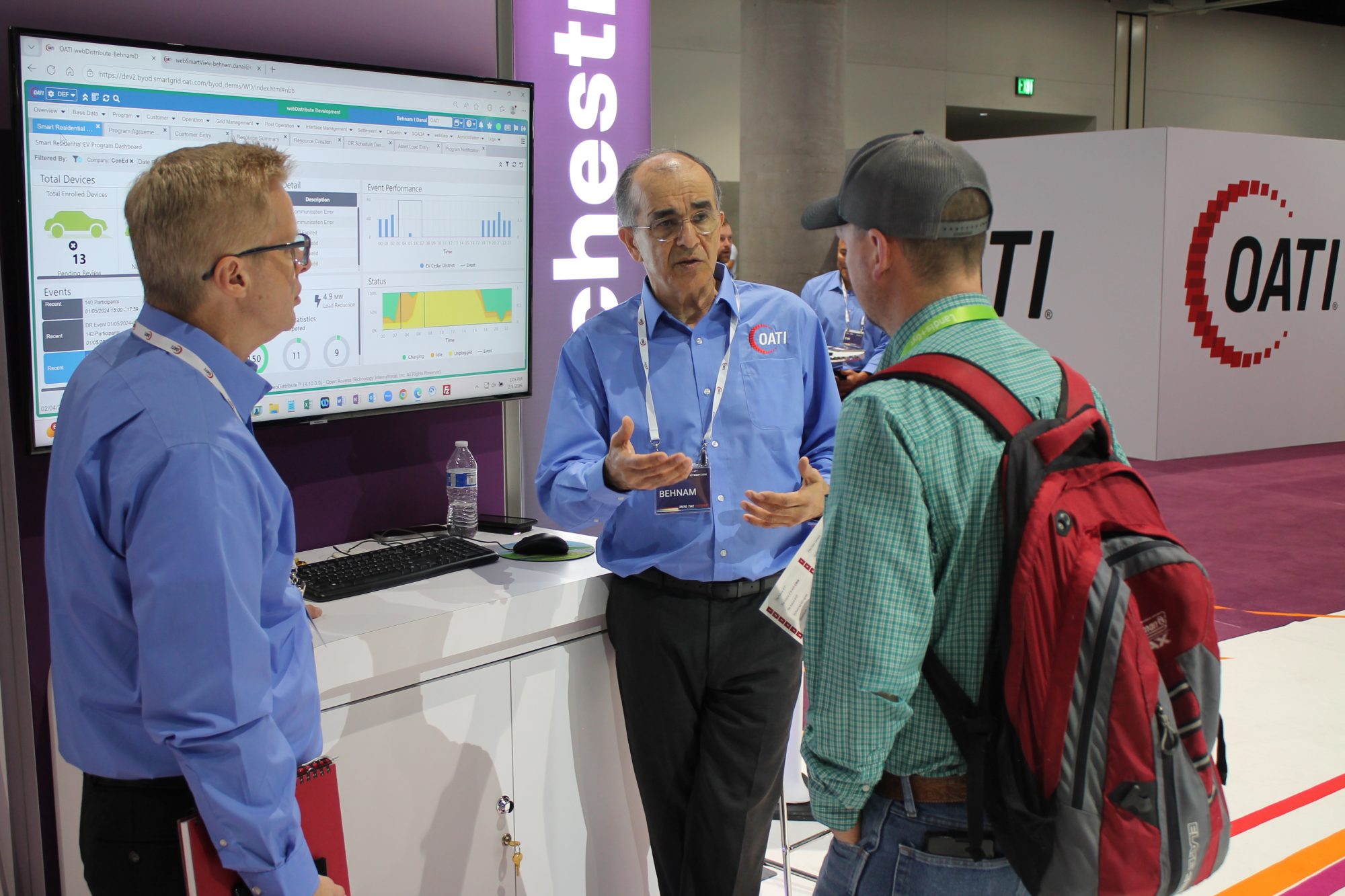
How long have we, as an industry, talked about this one? For decades, utilities have acknowledged that silos within their organizations hinder innovation, reliability, and resilience efforts. The grid is fundamentally interconnected, yet for far too long how we’ve managed has been divided by often arbitrary lines.
At DTECH 2026, OATI showcased why scale, from meters to markets, is paramount to sound grid management and, ultimately, customer service. No other solution provider can support utilities from behind the customer meter all the way to energy markets. By uniting IT and OT systems with OATI’s enterprise DERMS, we’re enabling dynamic power grid operations that plan proactively and respond to variables in real time. No more guessing; no more hoping.
DTECH 2026 made one thing clear: The future of grid operations isn’t a vision on a slide. It’s already taking shape.
Utilities that can orchestrate DERs, manage load growth intelligently, deploy microgrids strategically, and embed AI into daily operations will define the next decade of energy leadership.
OATI is helping utilities do exactly that — from meters to markets.