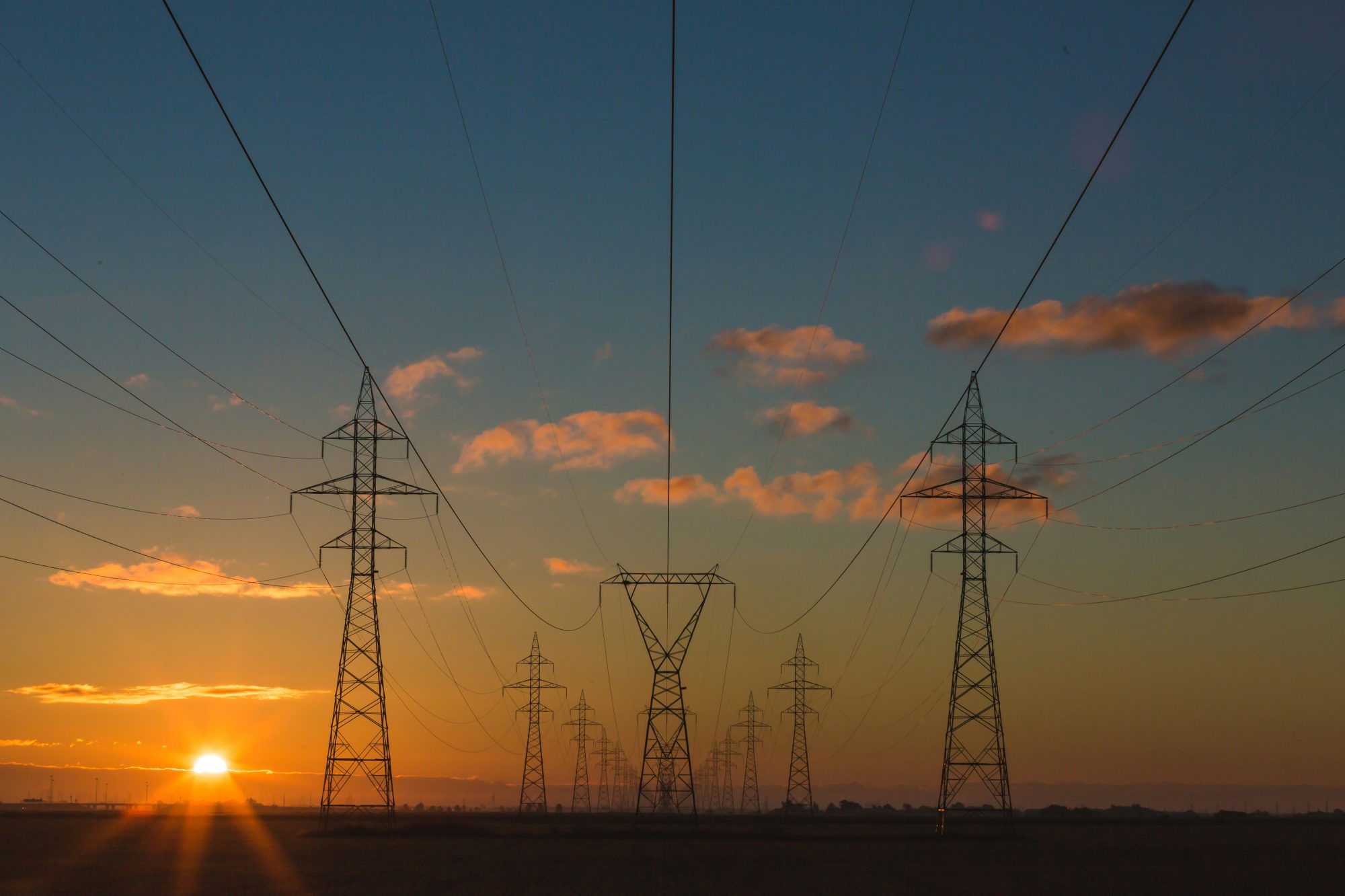
2025 proved to be a pivotal year for the energy industry, packed with significant changes around policy, excessive power demand, renewables growth and extreme weather events. As we enter an entirely new energy landscape, let’s take a deeper dive into what shaped today’s market, and what transformations we can expect to see in the year ahead.
Despite Federal Rollbacks, Momentum Continues
The beginning of 2025 was marked by new executive orders that rolled back several climate-focused regulations, and prioritized fossil fuel production, including:
- Putting America First in International Environmental Agreements
- Beginning the process of withdrawing the U.S. from the Paris Agreement and rescinded international climate finance commitments.
- Protecting American Energy from State Overreach
- In an effort to limit state-level climate regulations, targeting initiatives like Scope 3 emissions disclosures and climate risk reporting.
- Unleashing American Energy
- Revoked previous climate-focused executive orders initiated a review of the Clean Power Plan, and aimed to boost fossil fuel production.
The industry also experienced steep hikes in energy demand and prices. The year closed out with energy costs in the U.S. rising by 13.9% according to the EIA, while the buildout of data centers consumed 22% more power from the grid than in 2024.
However, despite these changes in federal incentives, power demand and increased costs, utilities continued the momentum around renewables and advanced technologies to improve grid reliability and efficiency.
In July, this rang true for California, as the state became the first to use AI for real-time outage management through California Independent System Operator’s (CAISO) landmark pilot partnership with OATI to test our new AI platform, OATI Genie™. Through the pilot program, CAISO has been able to modernize grid operations by automating the analysis of outage reports, helping operators quickly process maintenance requests, assess impacts, and improve reliability.
CAISO is just one example that with rising energy costs and new load growth demand, utilities and stakeholders are ready to leverage new resources to create reliability and energy efficiencies.
Renewable Energy Continues to Flourish
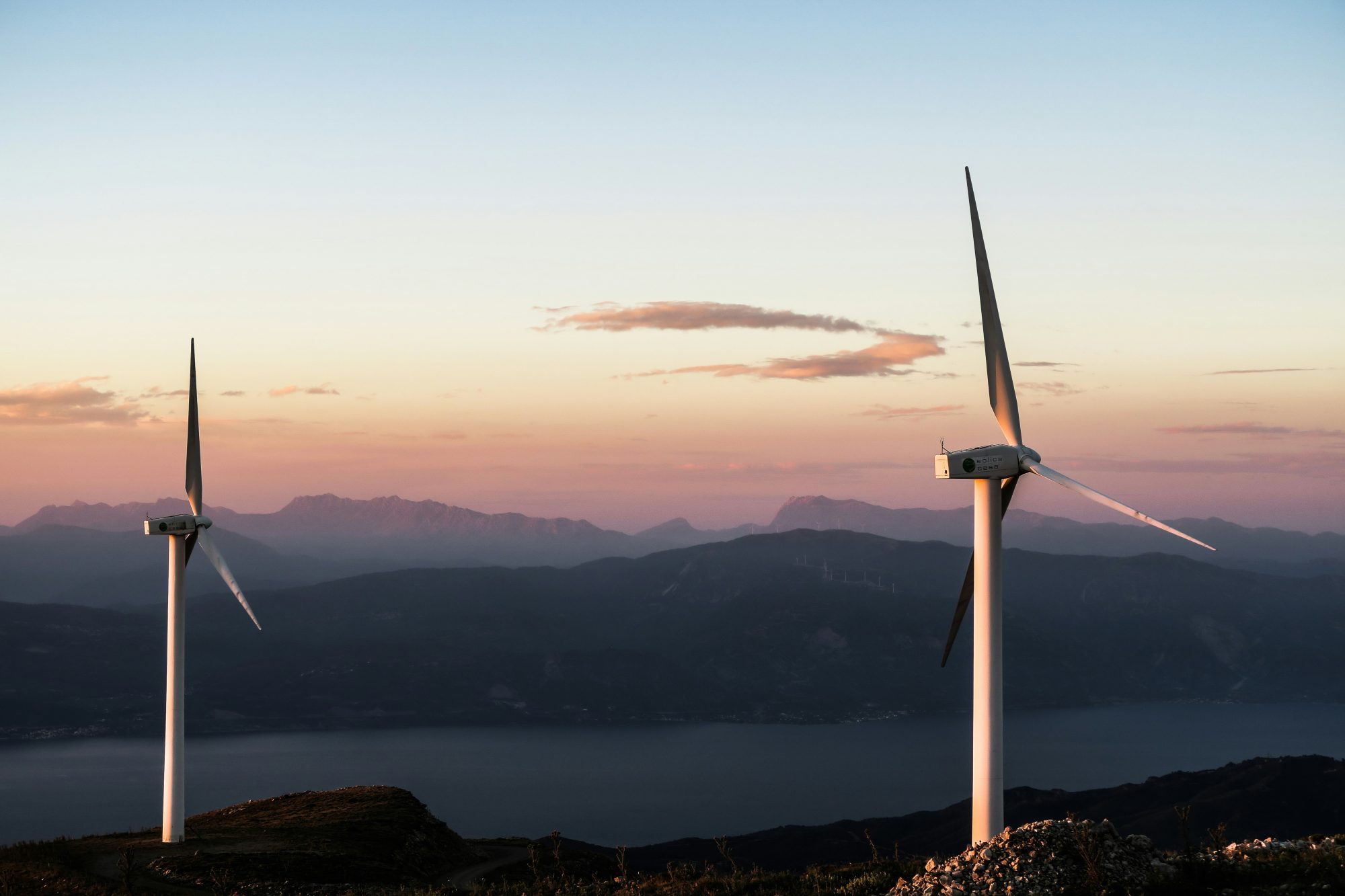
Solar PV, Battery Energy Storage Systems (BESS), Demand Response, and Distributed Energy Resource Management Systems (DERMS) have all had standout years in 2025.
Solar PV has become highly cost-competitive with conventional energy sources, driving widespread deployment. Global installations skyrocketed by 64% in 2025, with solar projected to account for 80% in renewable power capacity over the next five years. Batteries also continued to rise in deployment thanks to their ability to extend supply and mitigate intermittency challenges when paired with solar and wind projects.
Demand Response and DERMS have allowed utilities to enable consumers to better integrate distributed renewables and electrification, while delivering return-on-investment to utilities through supporting load shaping, demand charge minimization and energy efficiency. Both are major tools for utilities in combating rising energy costs, and load growth demand brought about by data centers and other technologies as the tech ecosystem around the globe continues to modernize.
Looking Ahead
OATI can project clean energy businesses to maintain a strong growth trajectory in 2026, fueled by the favorable economics of renewables, the expanding deployment of battery energy storage, and the adoption of distributed energy solutions alongside advanced digital technologies, such as AI.
Utilities are set to keep investing in modernizing the grid and enhancing digital platforms, such as DERMS, to effectively handle the increasing integration of variable and distributed resources. As the industry continues to operate the power system, the adoption of new tools and strategies will be crucial to tackle rising levels of variability, complexity, and dimensionality.
Given the shift toward clean energy is happening worldwide, the long-term effects will depend on industry initiatives aimed at accommodating the growing global demand, alongside adaptable power system operating strategies. These transformations will span various areas, including the Clean Energy Supply Chain and Economics, Grid Operations and Reliability, as well as Digitalization and Technology Integration with tools like DERMS and AI.
2026 will usher in a major transformation for the power sector, presenting significant opportunities throughout the entire value chain as clean energy increasingly becomes the foundation of future production. At OATI, we continue to be the leading driver of this evolution with our practical applications and solutions, and we look forward to expanding our transformative technologies to meet the demands of tomorrow.