Begin your smart grid journey by demystifying DERMS.
Stage 1: The utility DERMS journey
Every utility navigates the grid modernization journey at a different pace. Knowing where to begin, especially with distributed energy resource management systems (DERMS) strategies, can be challenging.
OATI enterprise DERMS supports modular, responsible scaling to turn DER management roadmaps into reality.
STAGE 1
Develop a utility DERMS software strategy
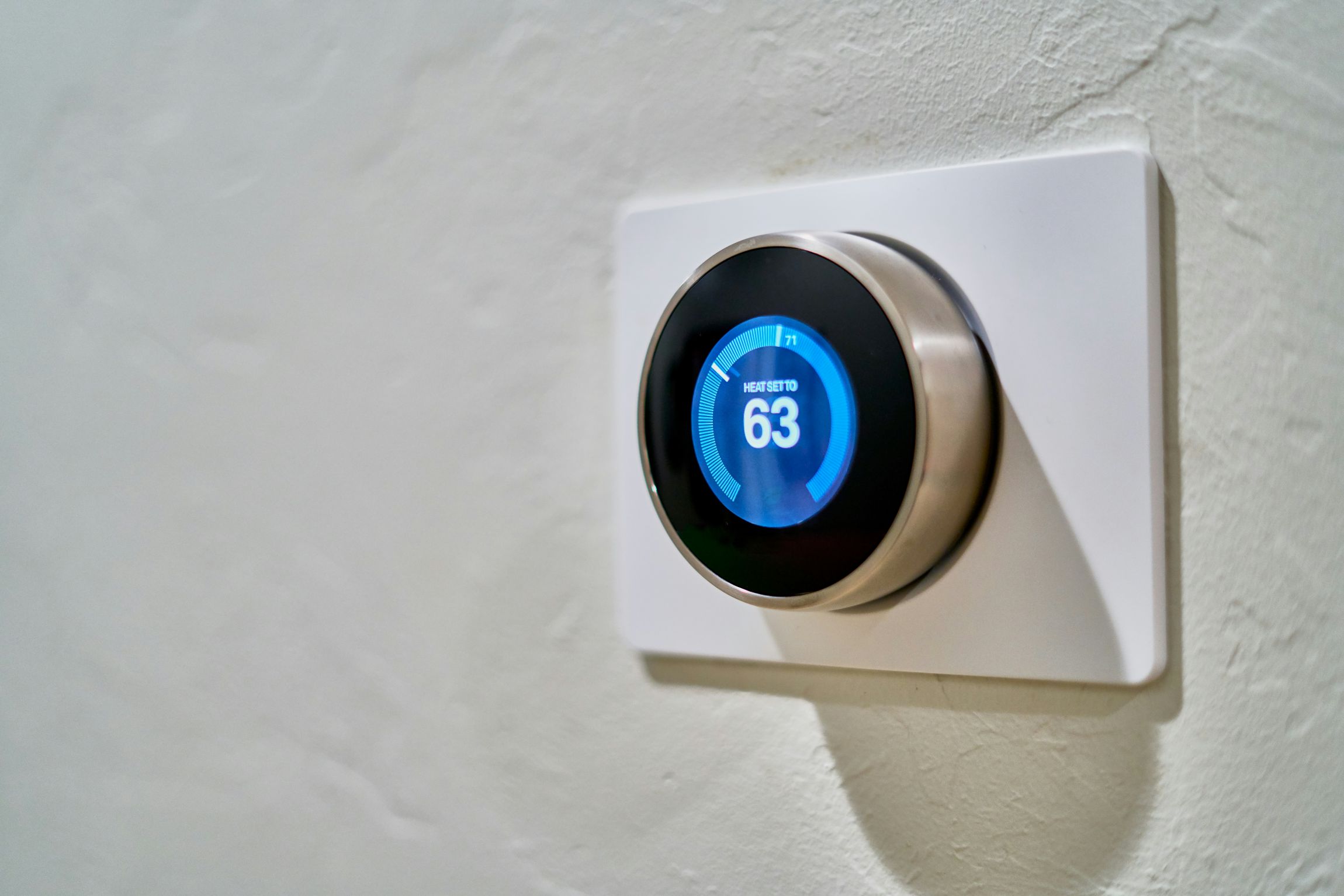
You’re early in the DERMS journey, and the DERMS software landscape is noisy. Every vendor defines DERMS a little differently, and it’s hard to tell foundational capabilities from features you’ll never use. Start here.
The resources below cut through the terminology and lay out what a distributed energy resource management system actually does: how it aggregates and dispatches DERs, where it fits alongside your existing operations and systems, like ADMS and AMI, and why modularity matters when you don’t yet know how far you’ll take it.
What to focus on now: understanding the core building blocks and where DER management creates value for a utility like yours.
For program managers: Scoping what it takes to stand up a DERMS program
You’re the one who’ll have to turn a strategic interest in DERMS into an actual program with a scope, a budget, and a timeline leadership will hold you to.
Right now the questions are foundational:
- What does a DERMS initiative actually involve?
- Which teams need to be at the table?
- What can you deliver in the near-term based on existing business cases?
The goal at this stage is to frame the effort realistically before you’re asked to commit to dates, so you can plan for a modular, phased rollout rather than an all-at-once build.
For operators: What DERMS means for the control room
Every new system deserves a fair question from the people who run the grid in real time: does this make the job easier, or just add another screen to watch?
At the exploring stage, it’s worth understanding what a DERMS is actually designed to do for operations— aggregating and dispatching distributed resources so they behave as something you can manage, rather than thousands of unpredictable endpoints acting on their own. The intent is more visibility and control, not more noise.
For market teams: Understanding how DERs become a market asset
Your team is figuring out whether distributed resources can become a revenue stream.
- Can aggregated DERs participate in wholesale markets?
- What does a virtual power plant actually bid into, and where?
Before you can model any of that, you need a clear picture of how a DERMS turns thousands of small, scattered resources into a single dispatchable, market-eligible asset.
Start by understanding the mechanics that make DER and VPP monetization possible in the first place.
For executives: Why DERMS, and why now
As a utility executive, you need to know whether DERMS belongs on the strategic roadmap.
Distributed energy resources are growing on your system whether or not you have a plan for them, and a DERMS is how utilities turn that growth from a reliability liability into a managed, even monetizable, assets.
The case at this stage is strategic: where DERMS fits within grid modernization, what problem it solves, and why the timing matters for utilities facing rising DER penetration and near-term load growth.
Resources to keep your
DERMS journey on track.

OATI DERMS Datasheet
OATI webSmartEnergy® DERMS transforms DERs into a solution that provides cost-effective grid services. As the industry’s leading enterprise DERMS solution, OATI DERMS provides grid reliability, stability, and resilience, while also improving supply economics.

What are the different types of utility DERMS?
What separates aggregator and grid-edge DERMS from grid DERMS, and what does enterprise DERMS really mean in practice.
OATI created the first DERMS in 2009 and has been the market leader ever since.

How to choose a DERMS strategy that works
Utility leaders face a pivotal moment: balancing grid reliability, distributed resource integration, and modernization. But finding proven, verifiable DERMS case studies can be challenging in a murky vendor pool.