DERMS and ADMS: Dynamic and integrated utility controls
Advanced distribution management systems (ADMS) and distributed energy resource management systems (DERMS) play critical roles in managing the power grid. But today’s dynamic grid also necessitates that ADMS and DERMS work in tandem, not isolation. Additionally, certain functions exceed the capabilities of traditional, and even enhanced, ADMS platforms.
Maintaining the reliability and affordability of the power supply has been the long standing objective of power system operations. The landmark FERC Order 2222 mandated all ISO/RTOs to allow distributed energy resource (DER) aggregators to participate in all ISO/RTO product markets where they are technically capable of participating, and to have DER aggregators as a type of market participant.

Request the white paper to learn more about how a properly designed DERMS addresses both grid reliability operations as well as the commercial aspects of dealing with DERs and the associated transactions with customers and other third-party DER asset owners.
Request the whitepaper
More DERMS resources
Wherever you are in the DERMS journey, OATI can help.
Short-term load growth strategies
Our short-term load growth whitepaper looks at digital strategies for maximizing output from existing distributed energy resources as demand from data center development, industrial manufacturing, and broader electrification rises sharply.

What are the different types of utility DERMS?
What separates aggregator and grid-edge DERMS from grid DERMS, and what does enterprise DERMS really mean in practice.
OATI created the first DERMS in 2009 and has been the market leader ever since.
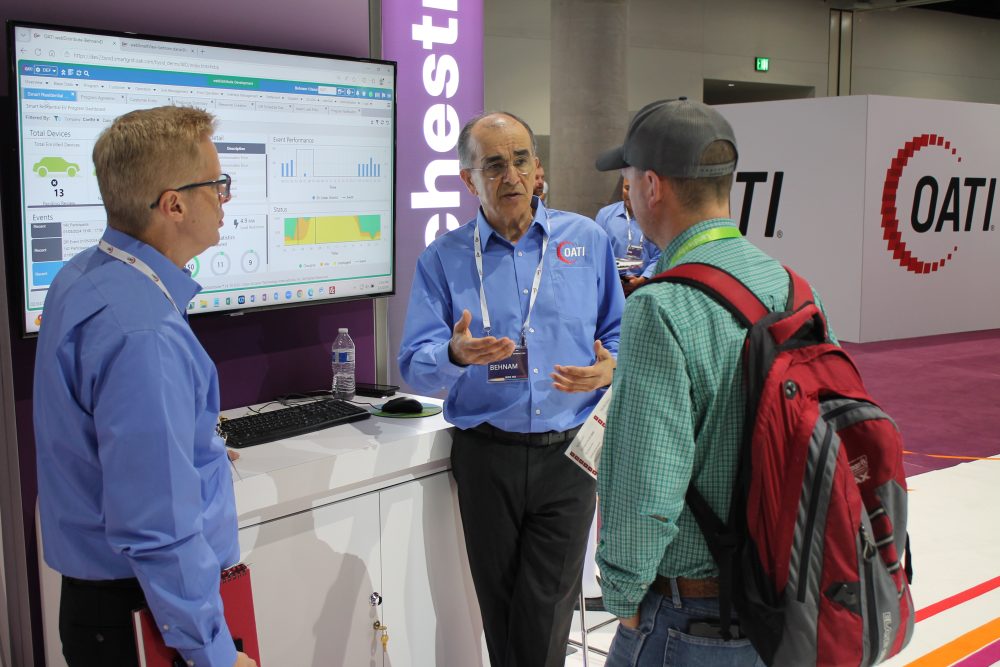
Utility DERMS in action
Utility leaders face a pivotal moment: balancing grid reliability, distributed resource integration, and modernization. But finding proven, verifiable DERMS case studies can be challenging in a murky vendor pool.