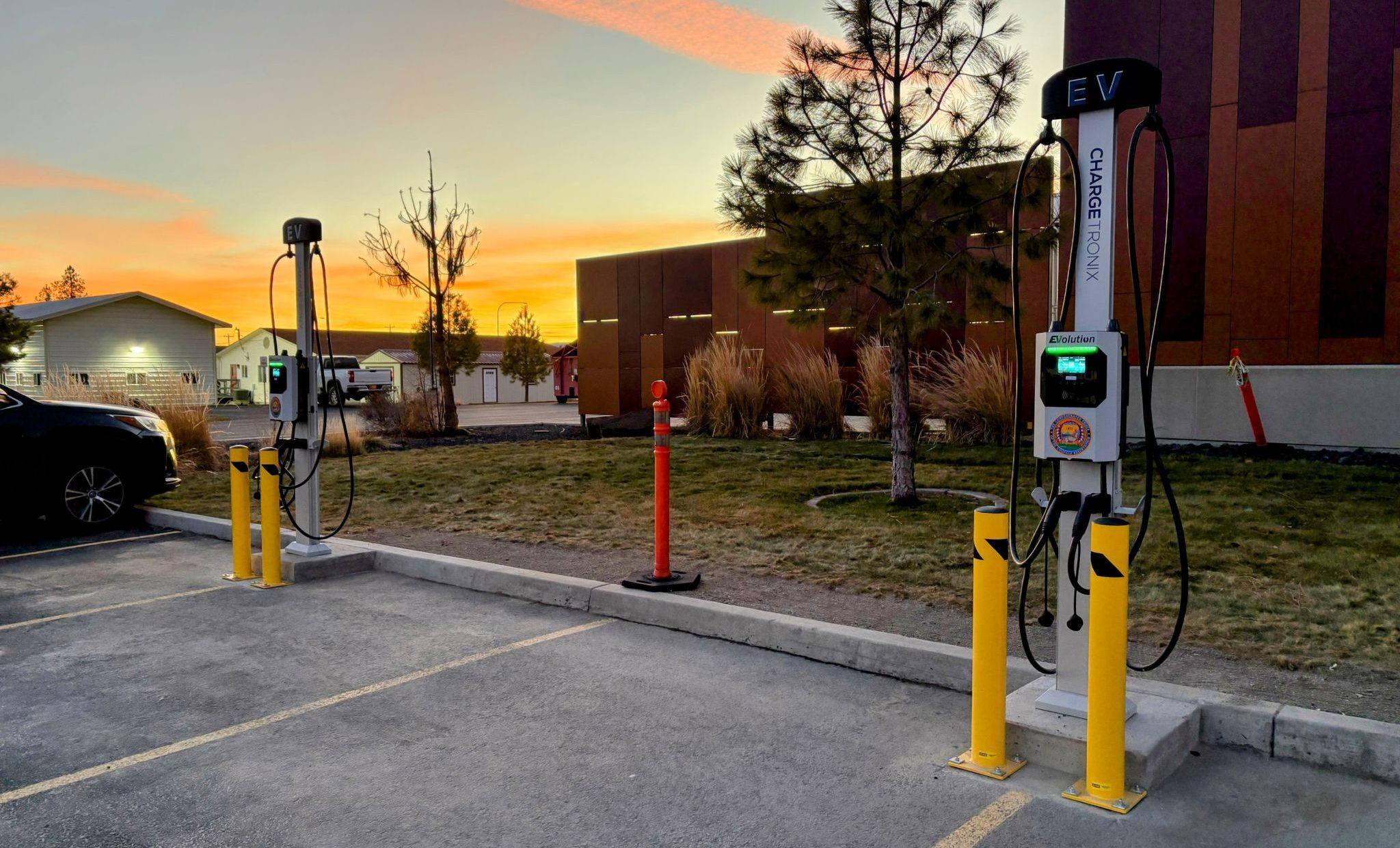
Across the U.S., tribal nations are charting a new course for the energy transition—one rooted in sovereignty, resilience, and self-determination. For the Confederated Tribes of the Colville Reservation in Washington State, the vision of tribal nation energy sovereignty is becoming reality through a first-of-its-kind partnership with OATI.
In this episode of Critical Path, host John Engel speaks with Chairman Jarred-Michael Erickson about how the Colville Tribes are developing multiple microgrids that combine solar, battery storage, EV charging, and OATI’s advanced GridMind® platform for resource management. The projects are about far more than technology—they represent a pathway toward energy sovereignty and financial independence.
Key Takeaways
- Microgrids address immediate challenges and tribal nation energy needs: outages, high bills, and service quality.
- Energy sovereignty is tied to financial sovereignty: independence means control of destiny.
- New leverage in partnerships: tribal-owned utilities and generation open doors to data centers and new revenue.
- OATI partnership is pivotal: technical expertise and GridMind® enable resilience today and scalability tomorrow.
- The Colville vision is generational: laying the groundwork for long-term sovereignty and prosperity.
Why tribes are turning to microgrids
The Colville Reservation faces frequent outages, particularly during winter storms and extreme heat. Residents often pay $500–600 a month for power, a burden that underscores the need for both resilience and affordability. Microgrids at Nespelem, Inchelium, and the Paschal Sherman Indian School will help stabilize service, lower costs, and ensure power is available during outages.
At the heart of the Colville vision is sovereignty in action. As Erickson emphasized, sovereignty is more than rhetoric—it requires independence from outside entities. By generating their own energy, the Colville Tribes aim to reduce reliance on external utilities and federal funding while creating new economic opportunities. Developing microgrids also shifts the Colville Tribes’ relationship with outside utilities and potential commercial partners. With their own generation and management capabilities, the Tribes gain leverage in conversations about reliability, costs, and future development, including the potential for data centers.
The power of partnerships: OATI and Colville Tribes
Expertise from OATI has been critical, Erickson said. Erickson noted that the capacity building and support from OATI has been huge in helping get the projects jumpstarted. That jumpstart is already catalyzing bigger conversations about pumped storage, solar, and even advanced technologies like nuclear fission.
With OATI, the Colville Tribes are positioning themselves as leaders in tribal energy innovation. The near-term benefits are clear: lower bills, fewer outages, and resilience during extreme events. The long-term vision is even bolder: energy sovereignty, financial independence, and a model for other tribes and communities.